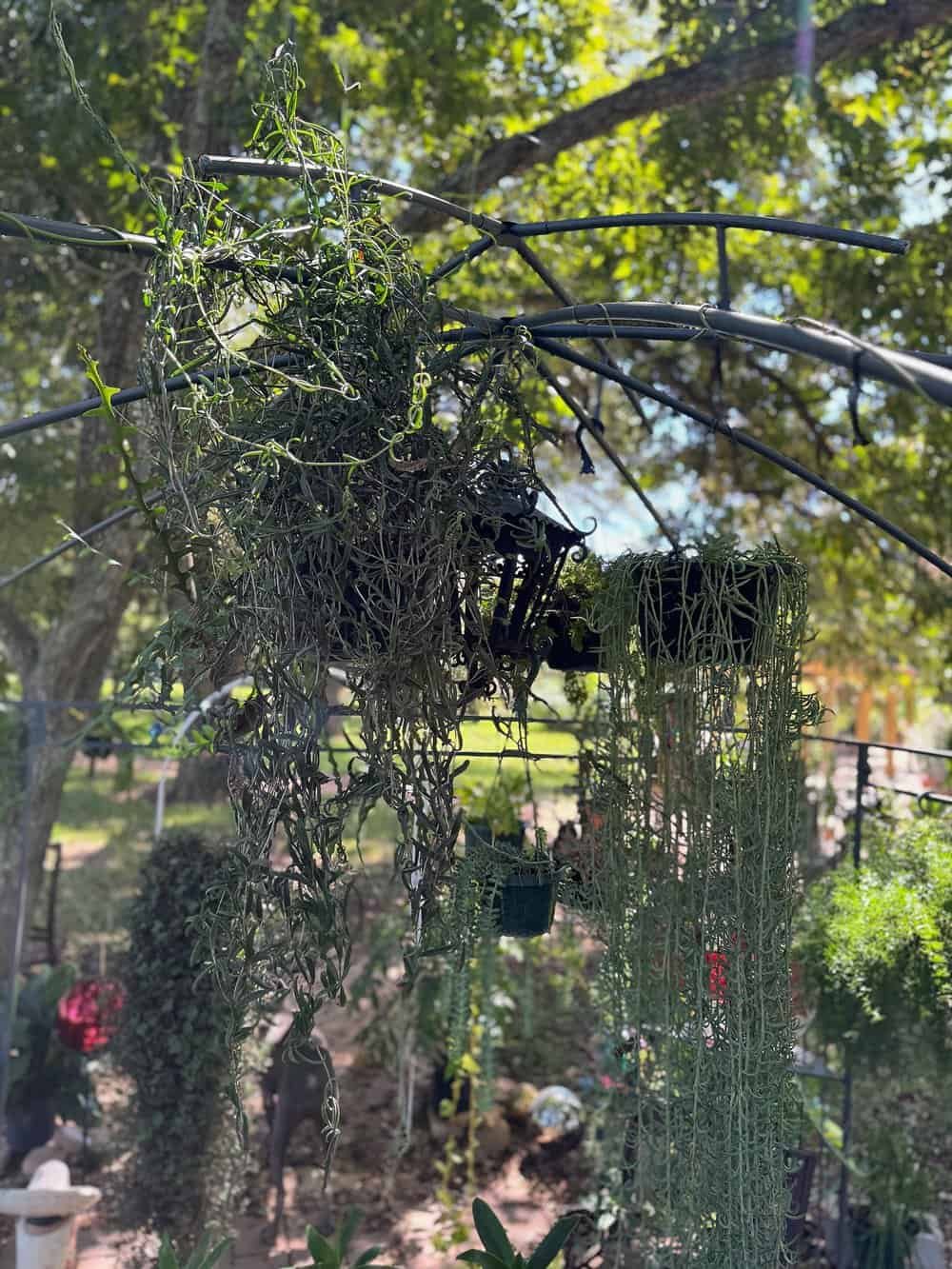
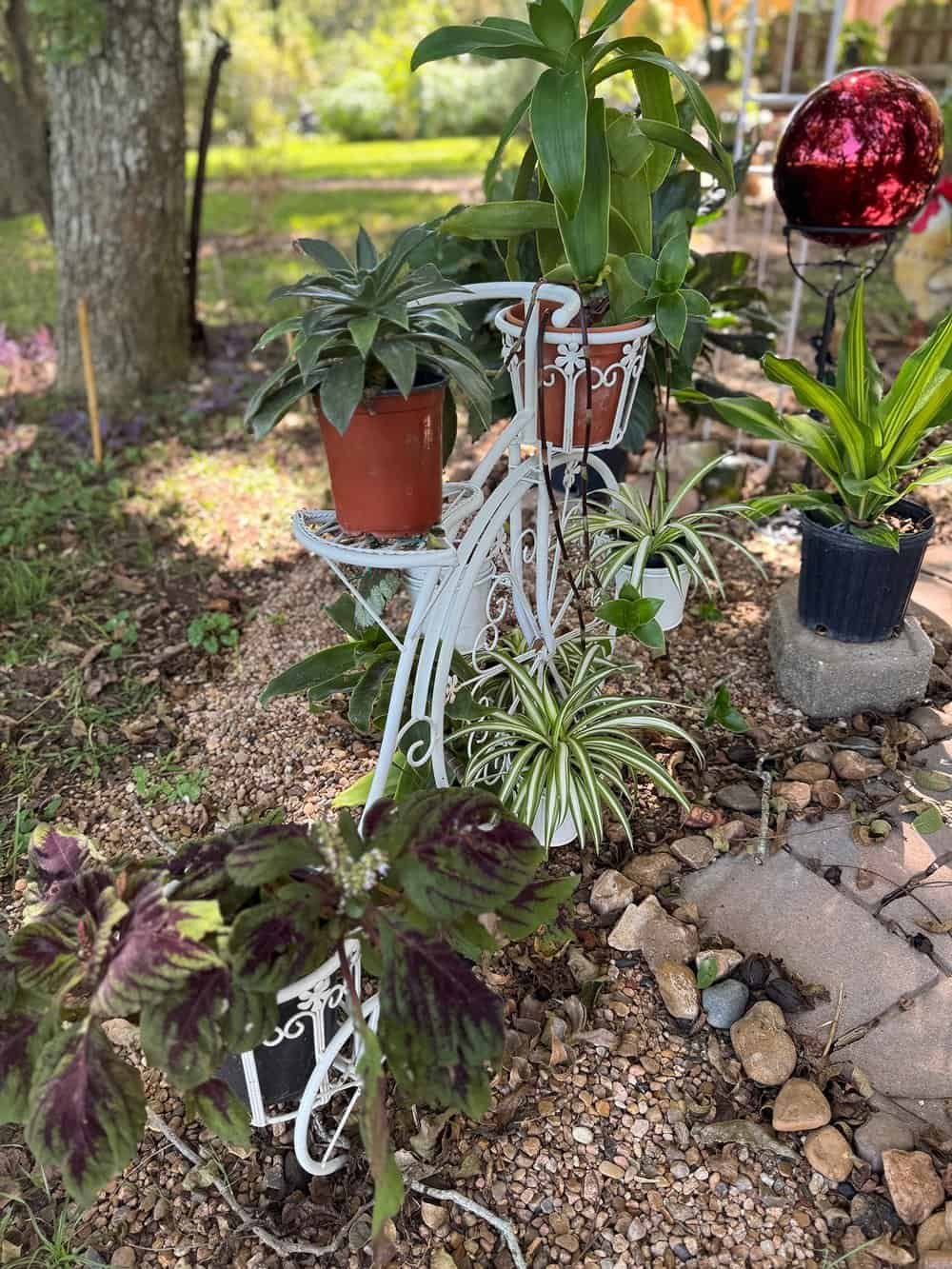
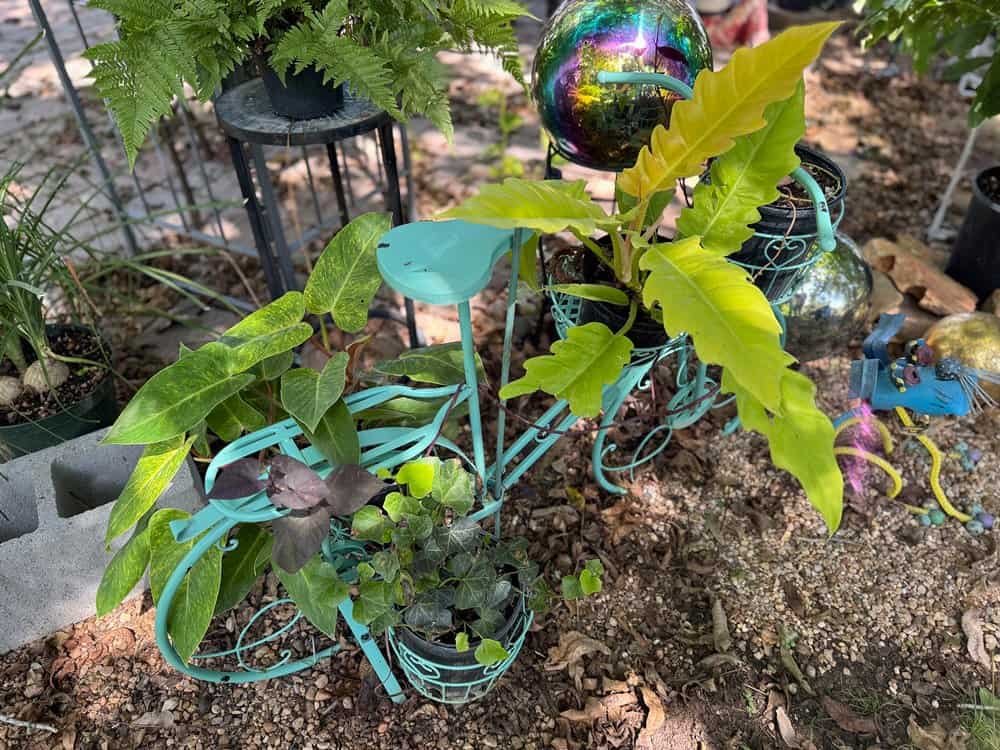
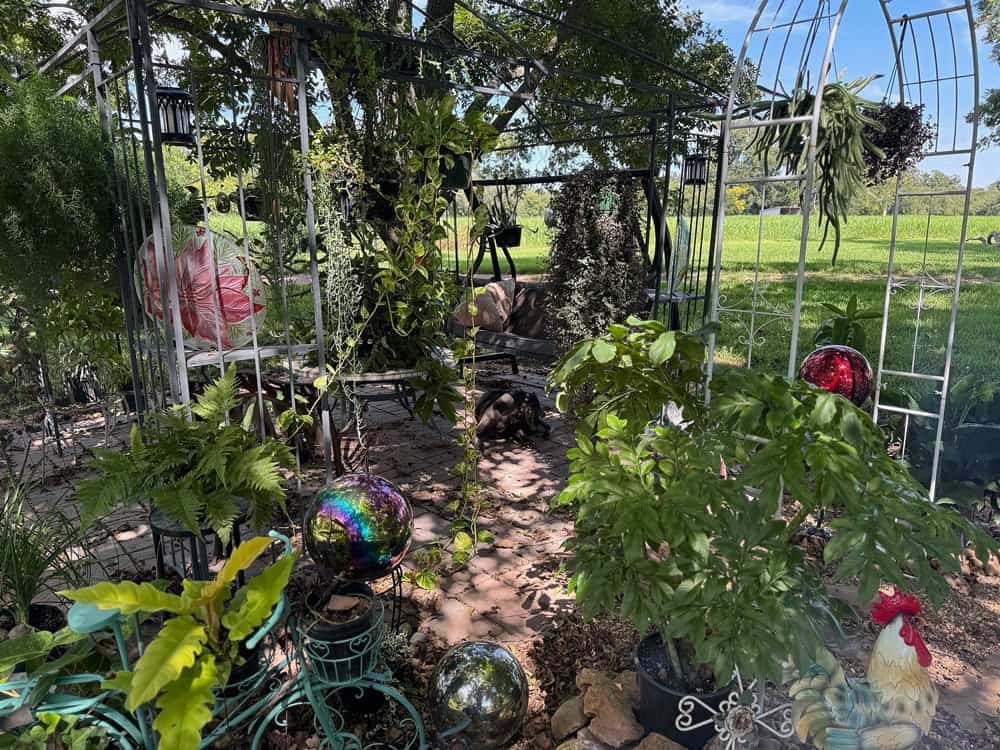
Juxtaposing and Staging are two important aspects of design. The following pictures showcase my affection for antique glass and plants…together.
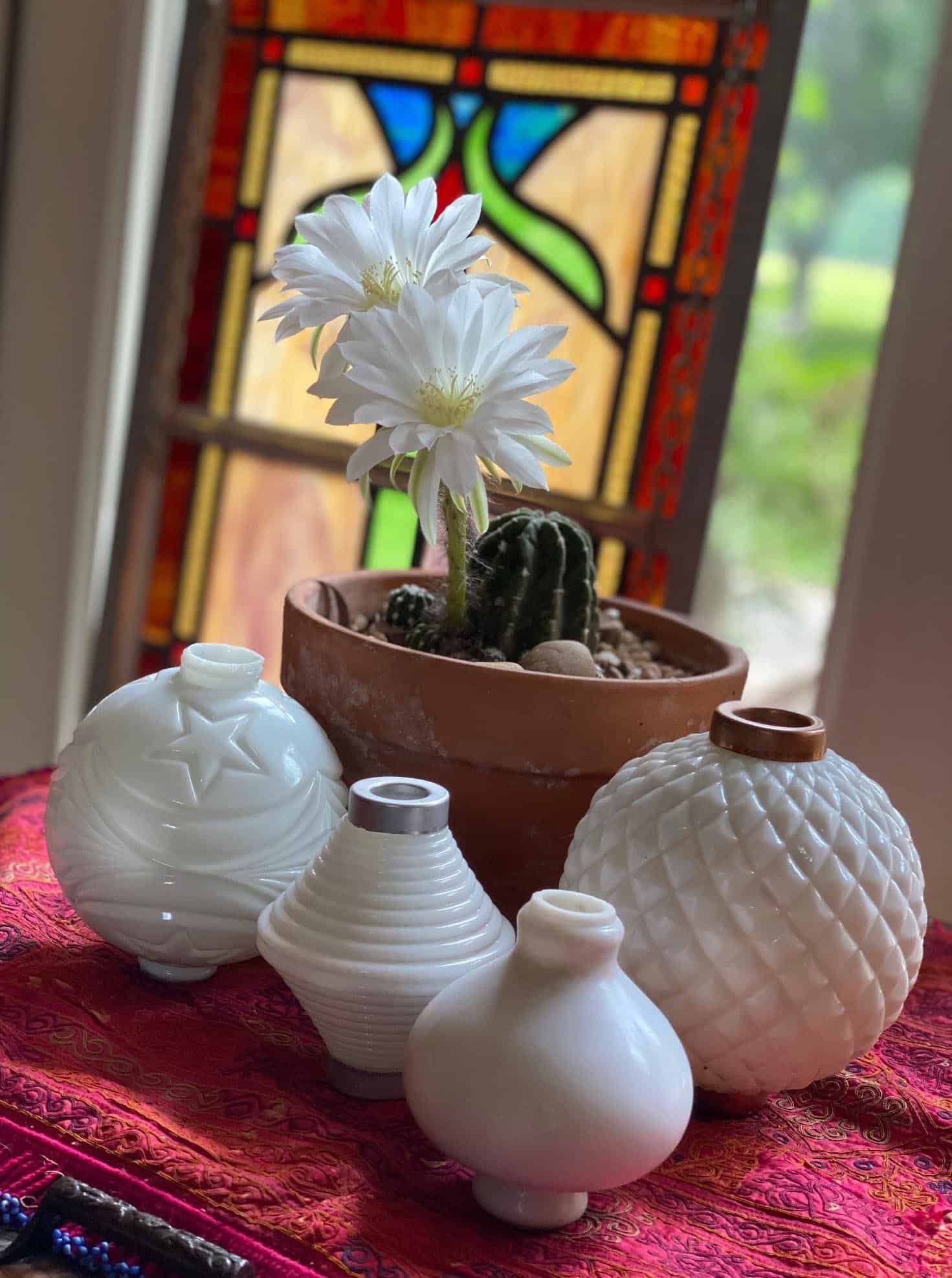
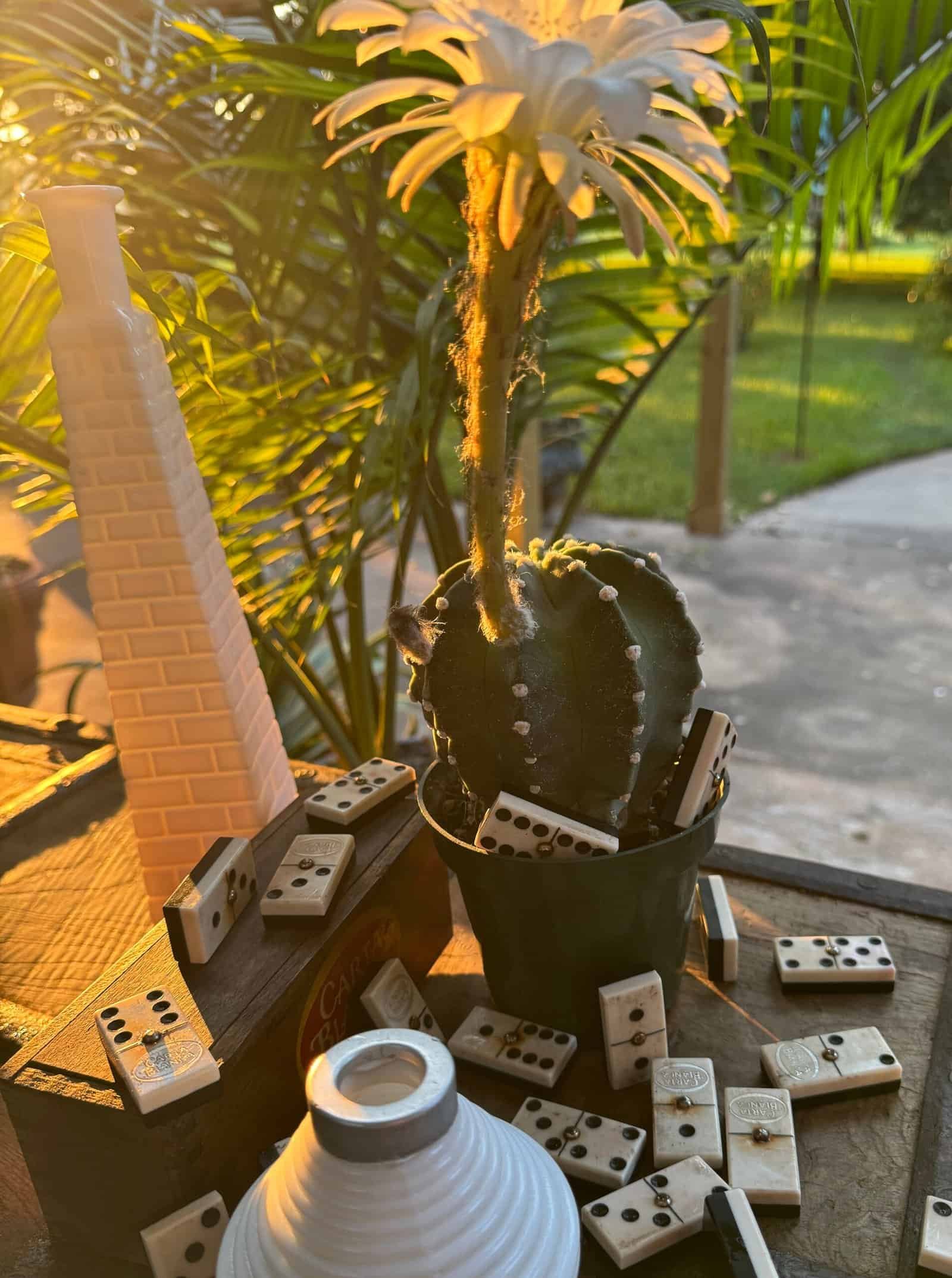
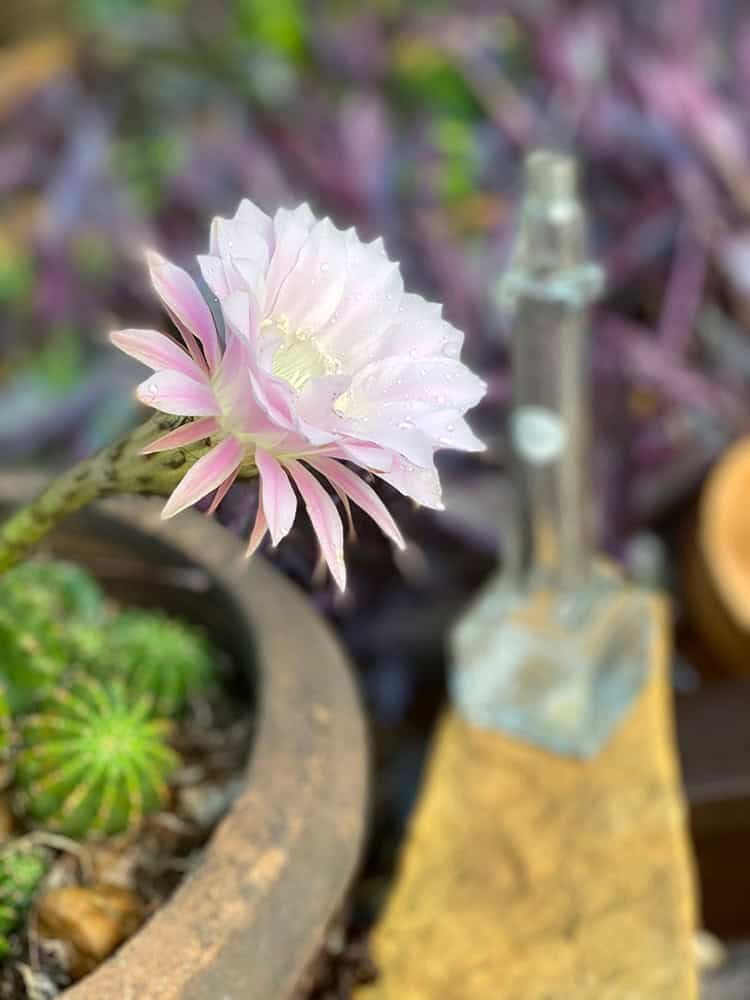
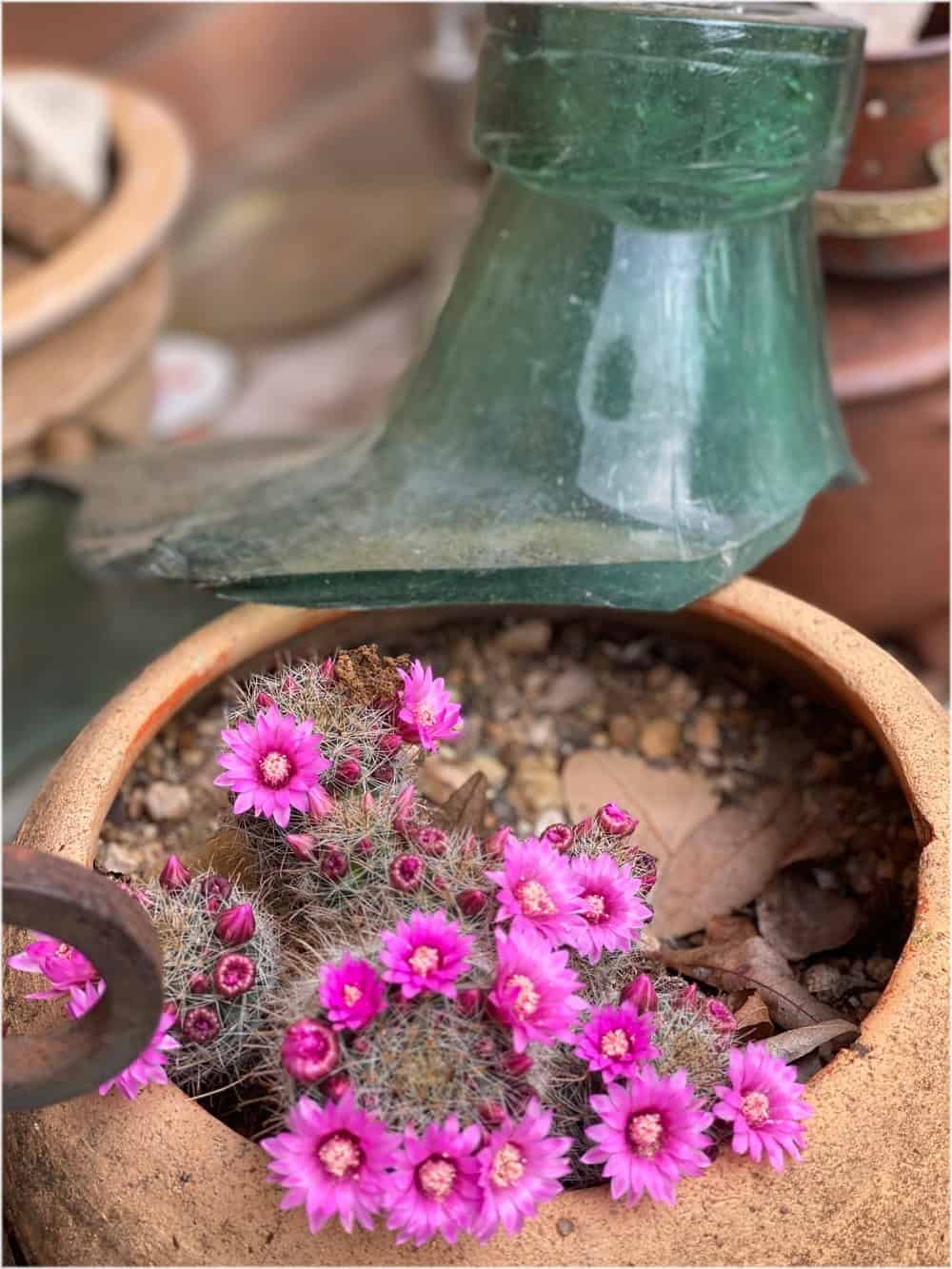
Juxtaposing and Staging are two important aspects of design. The following pictures showcase my affection for antique glass and plants…together.
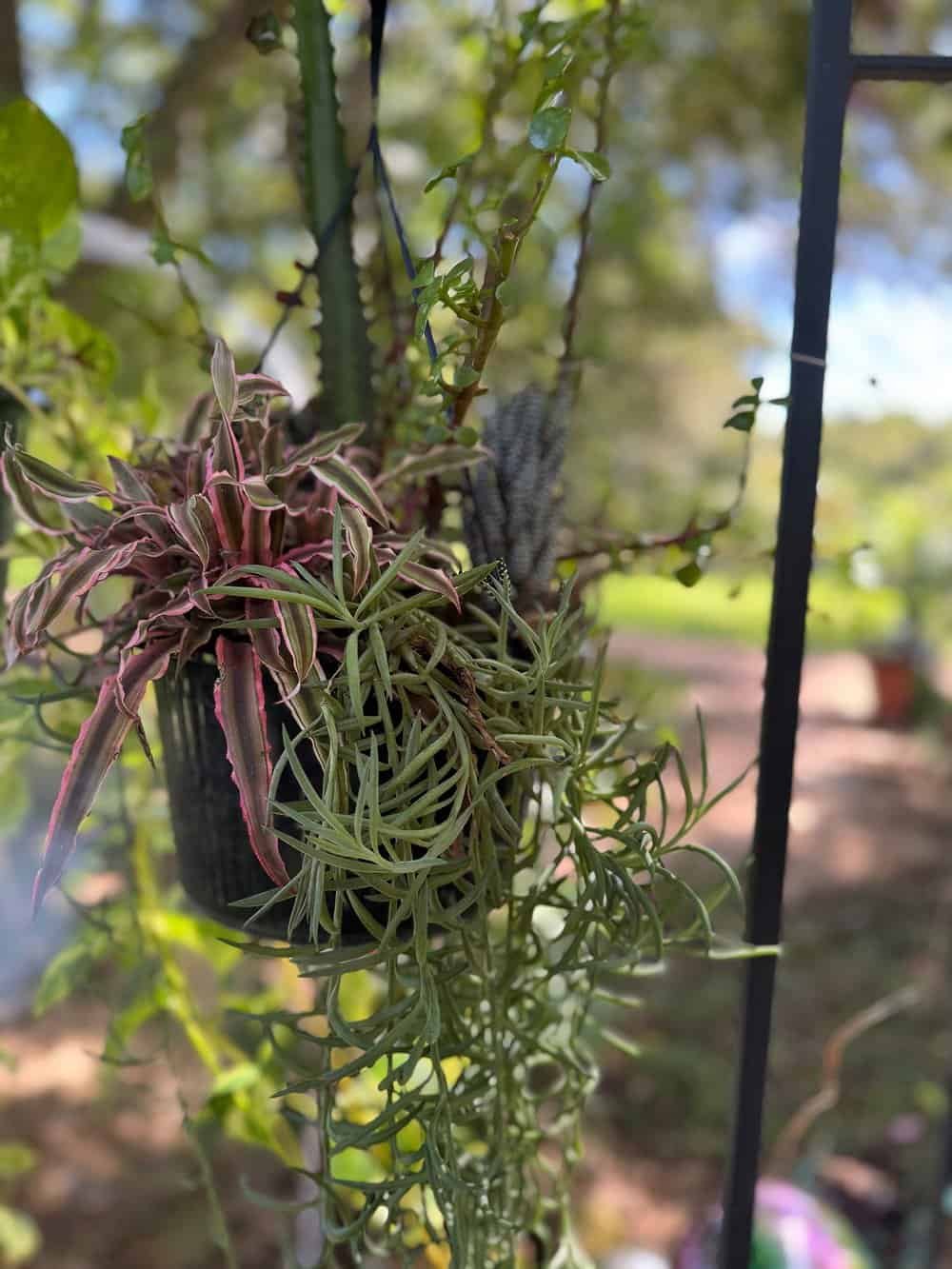
Close-up detail images of cactus and succulents reveal the immense inner beauty of the specific specimen.
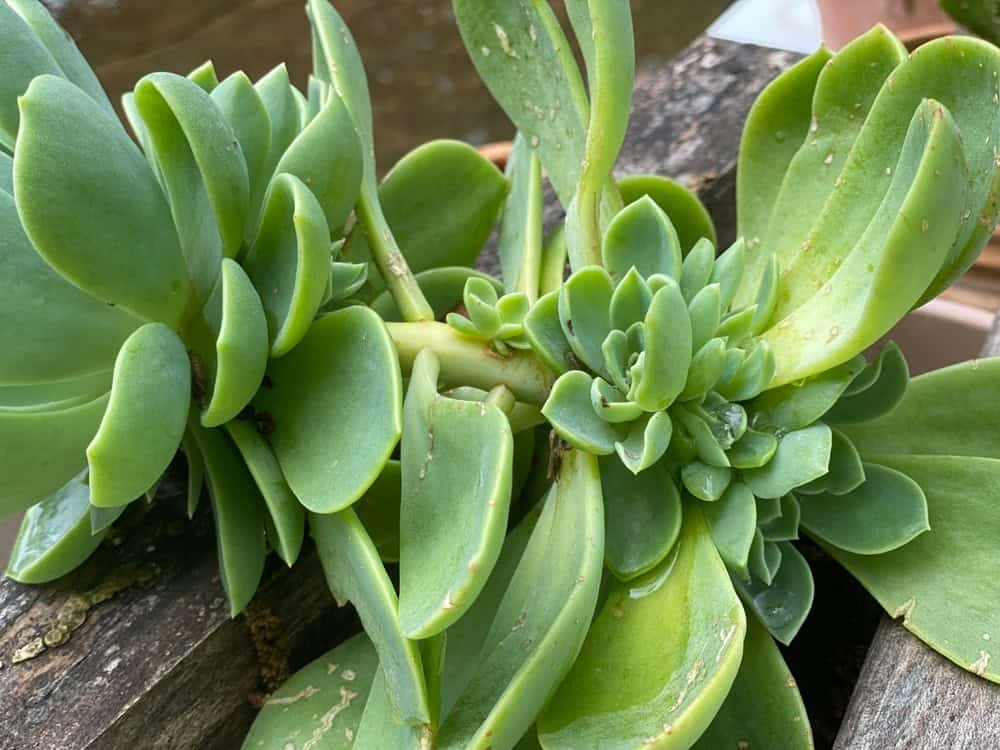
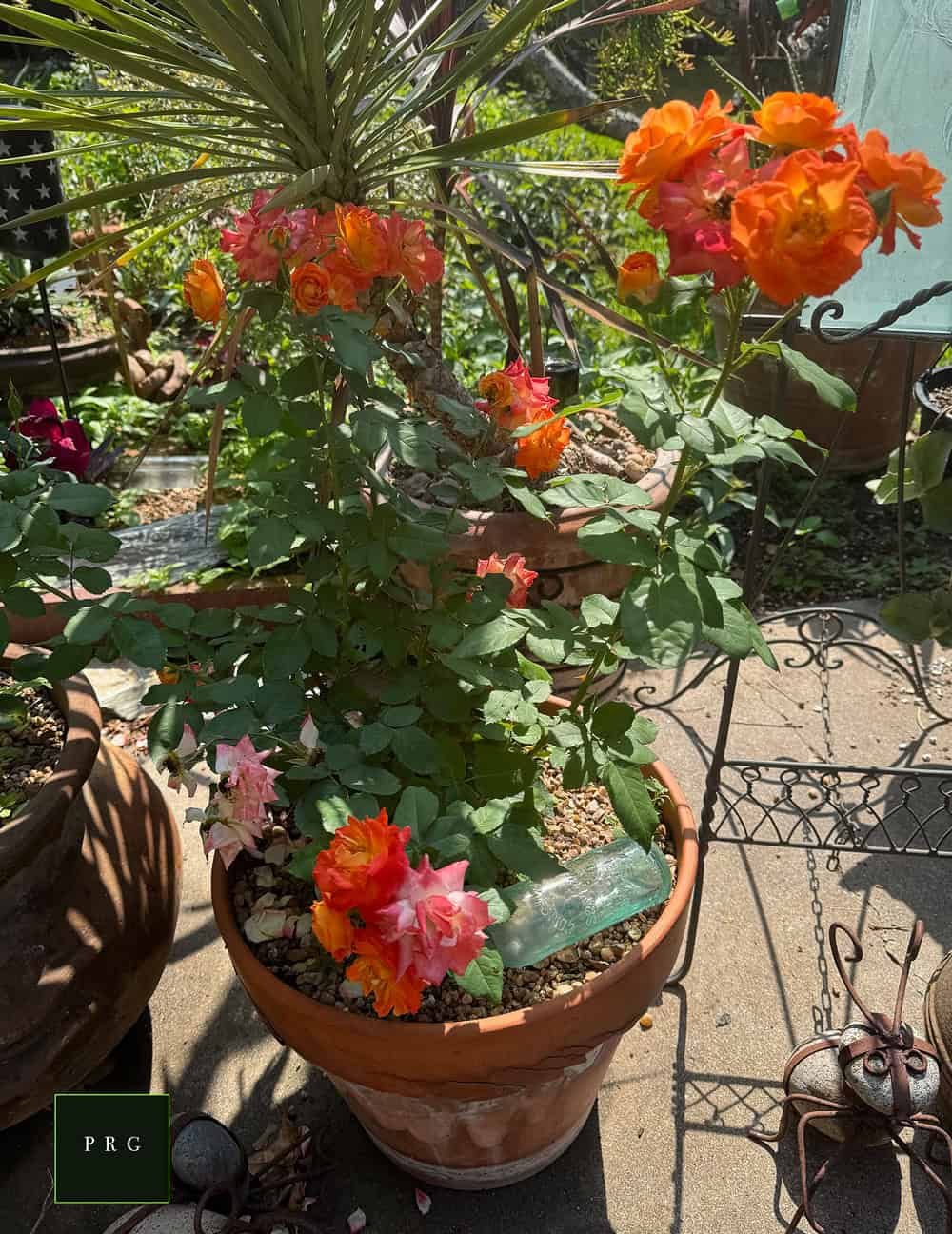
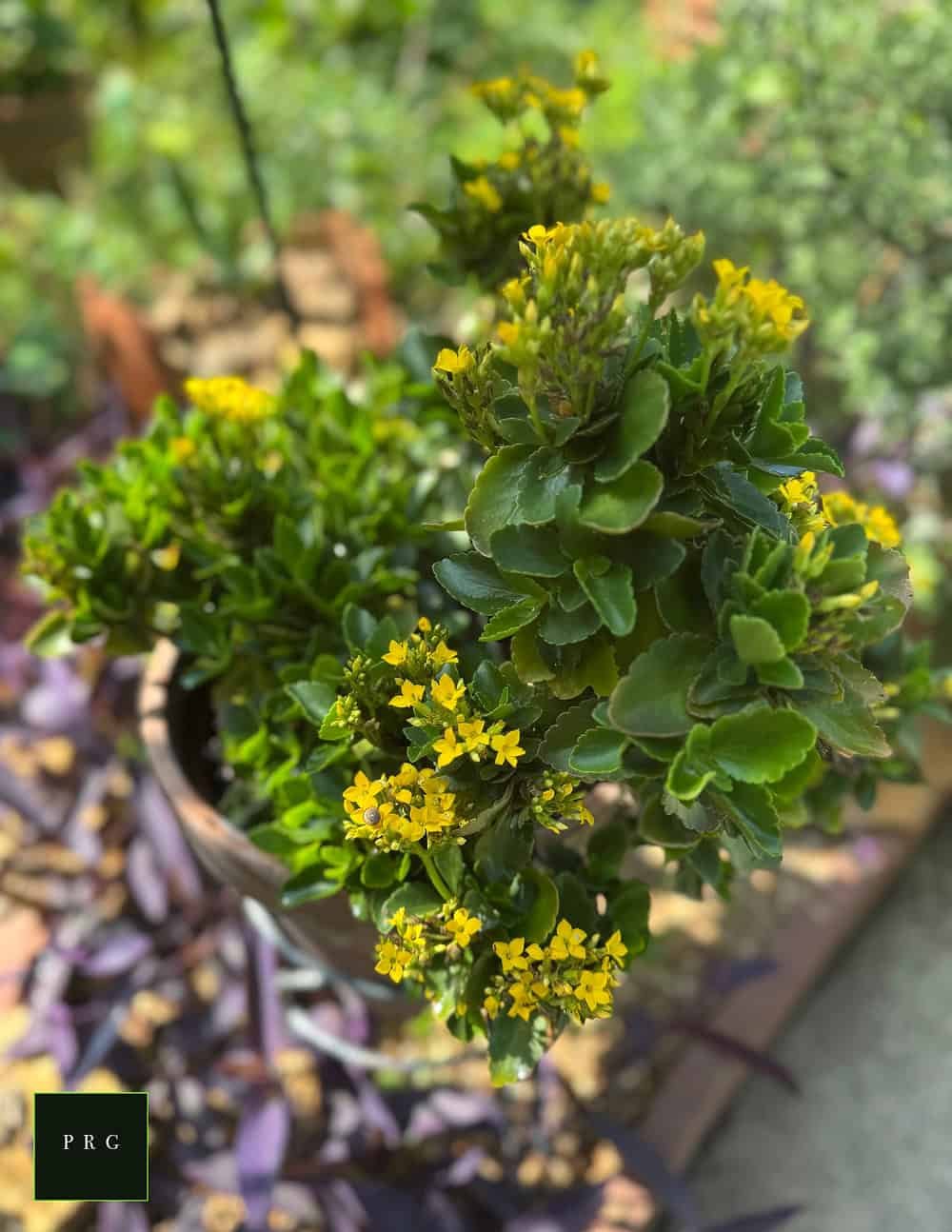
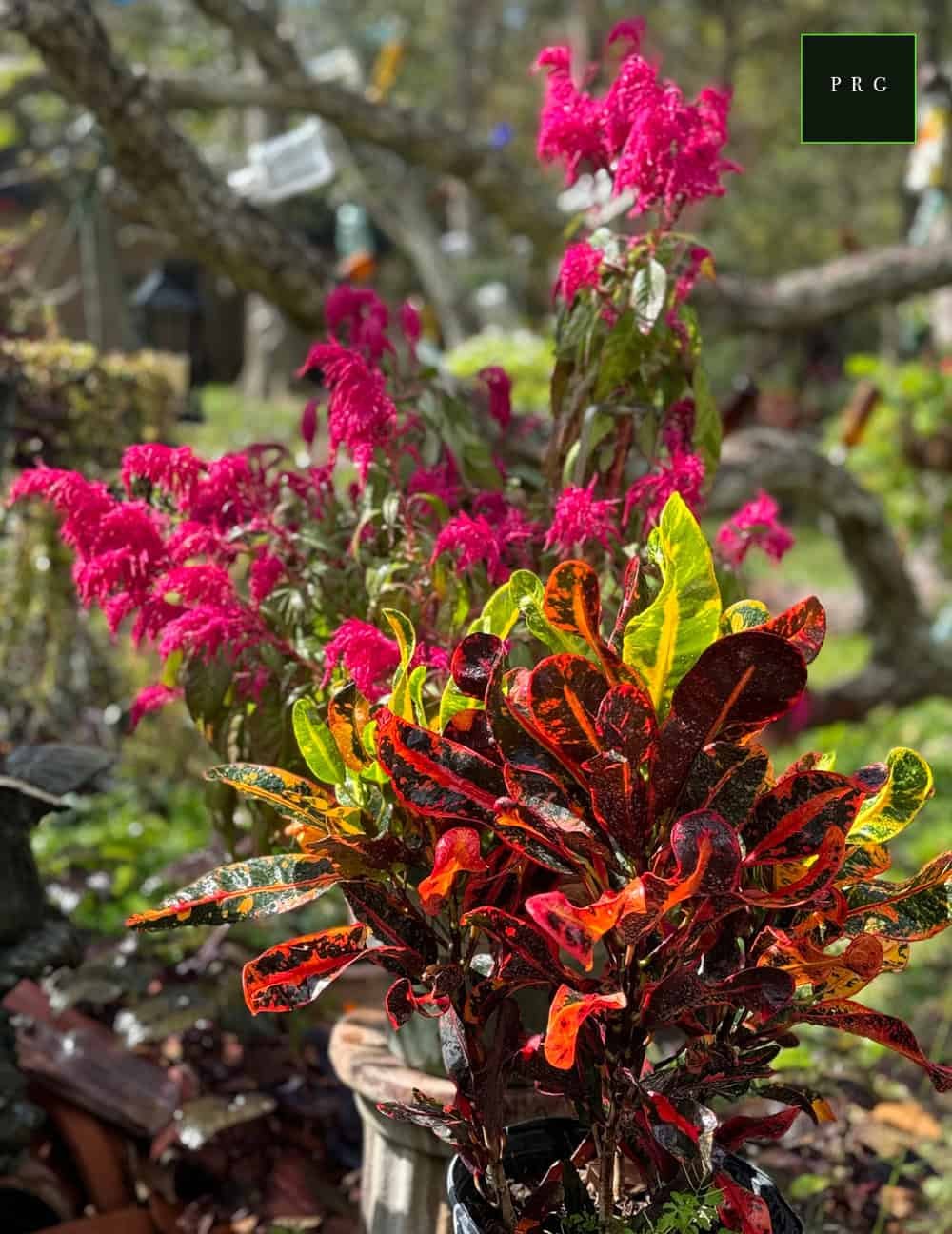
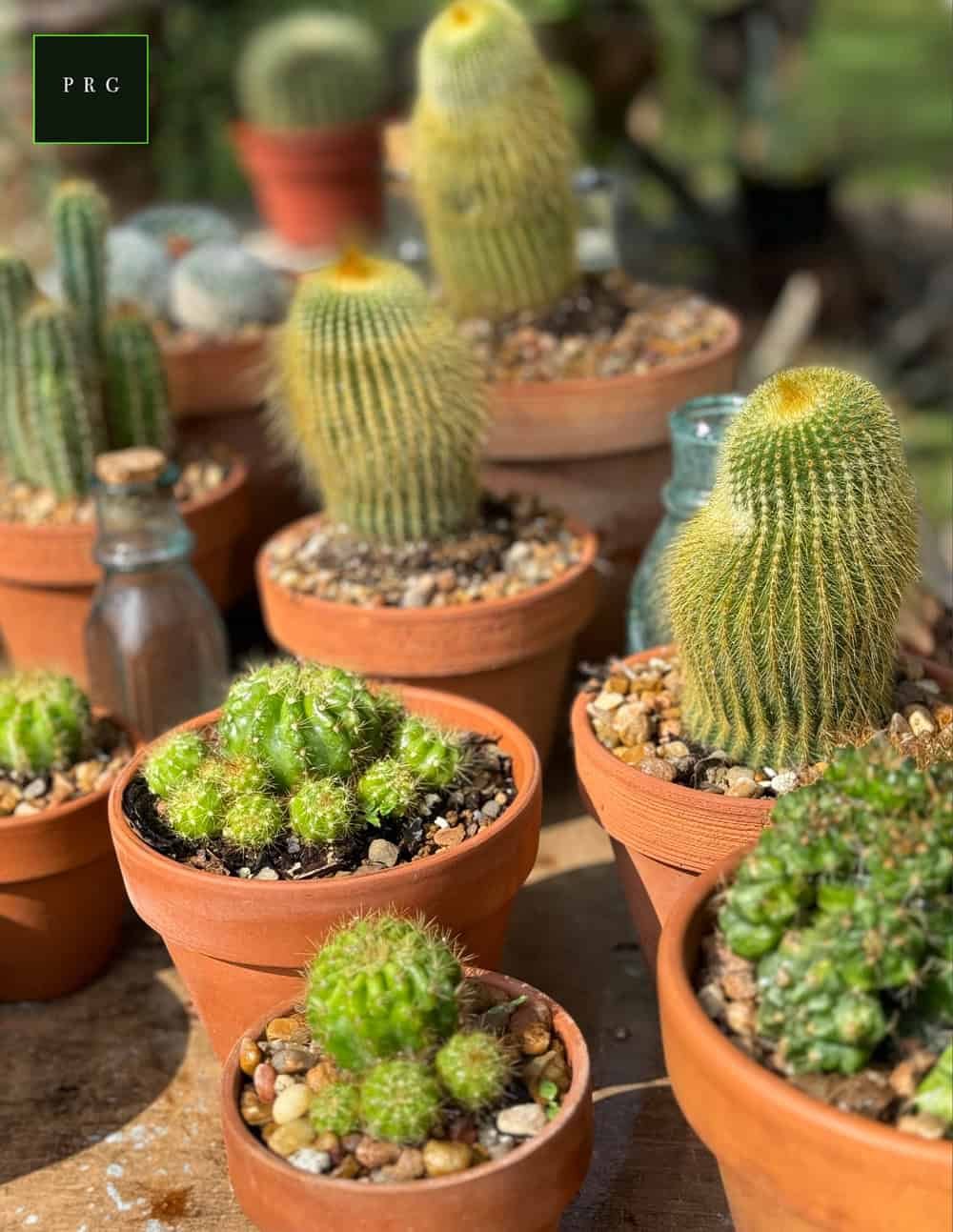
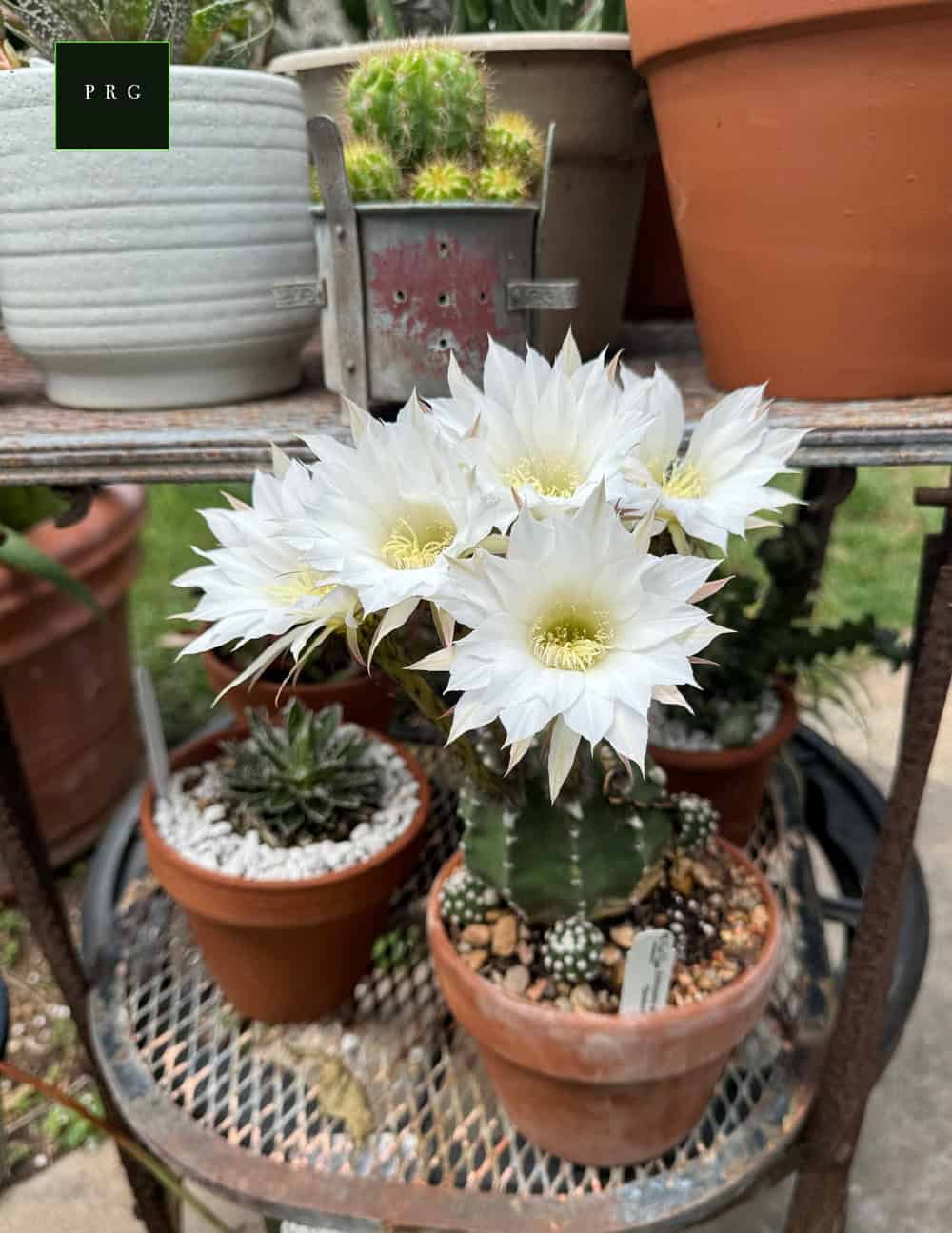
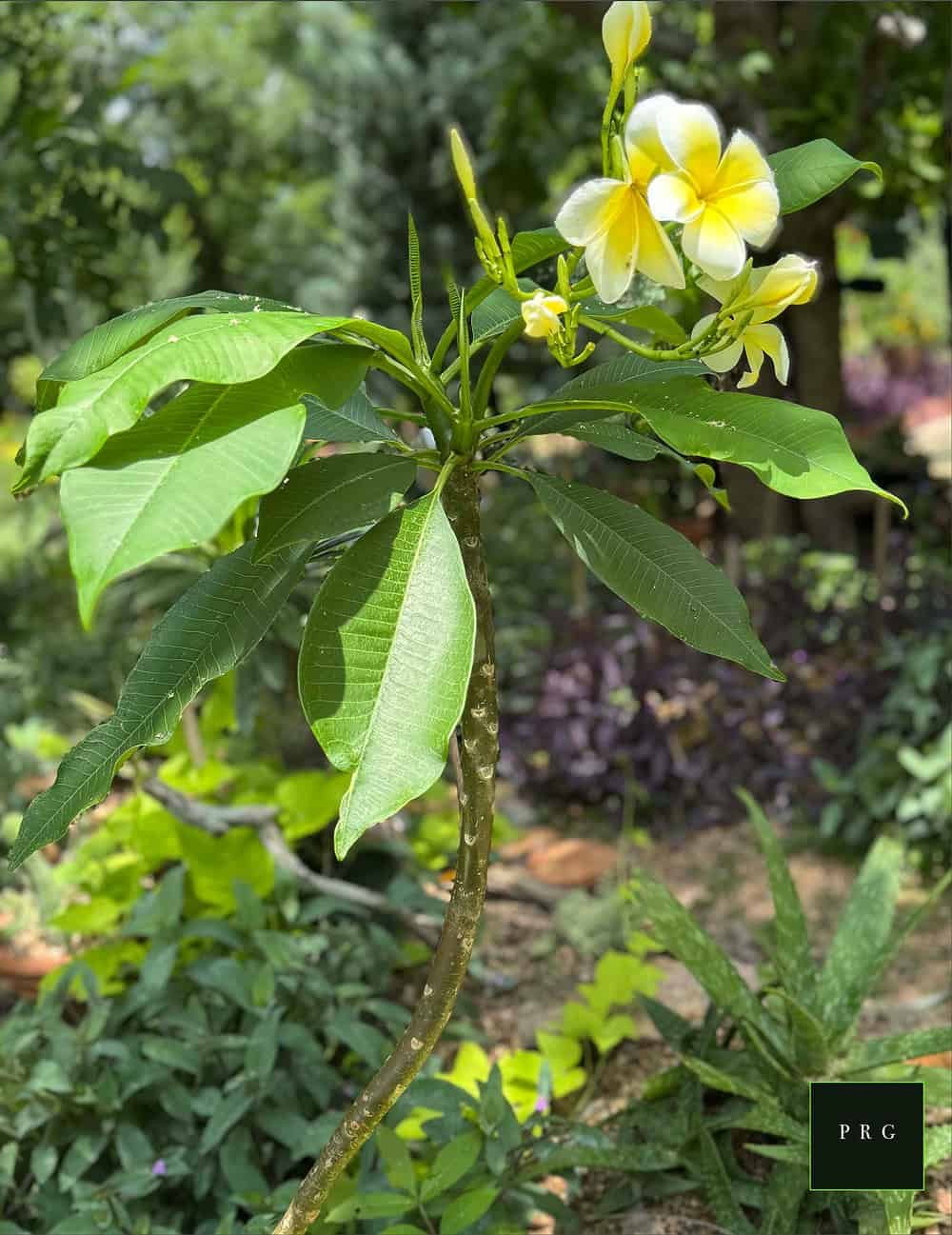
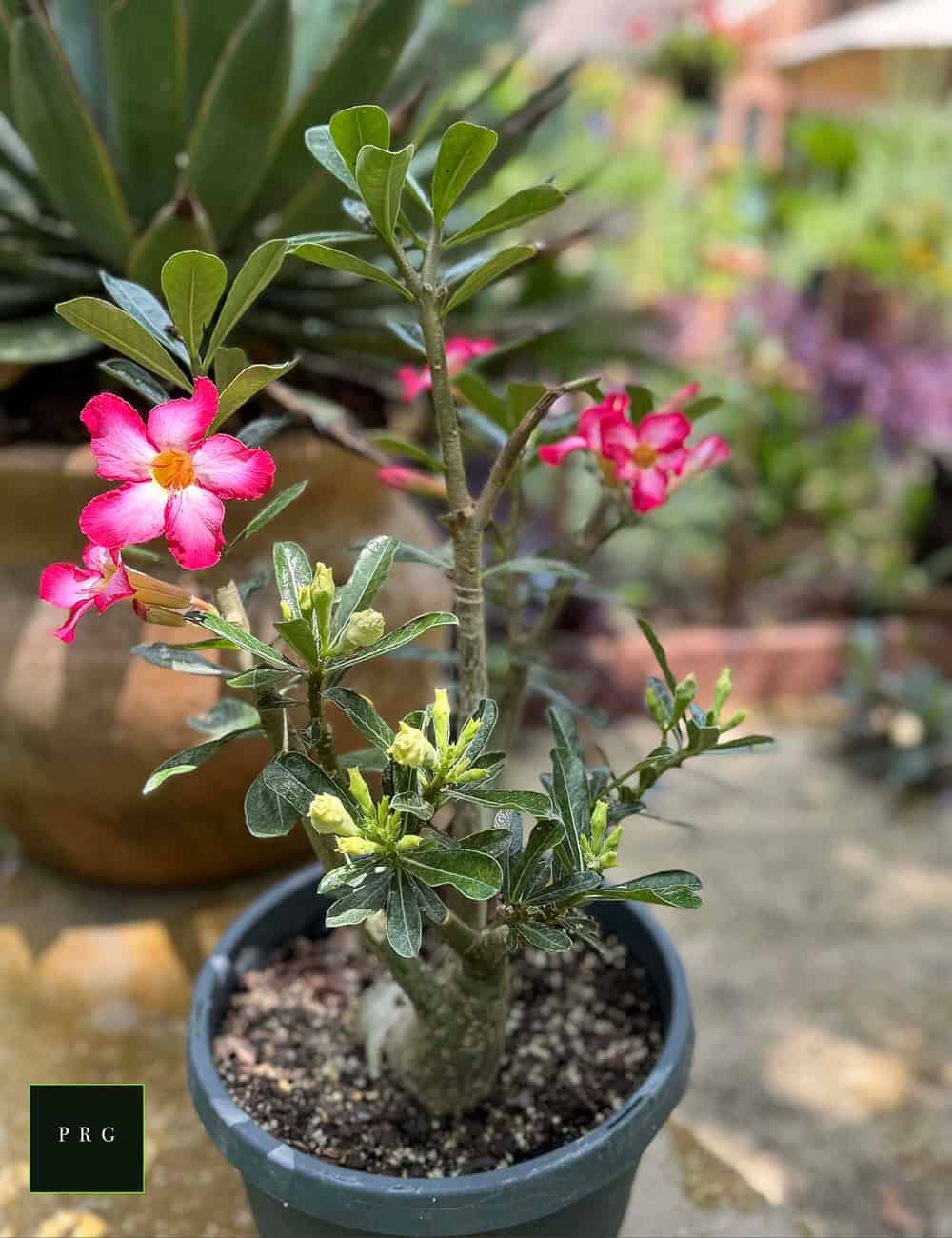
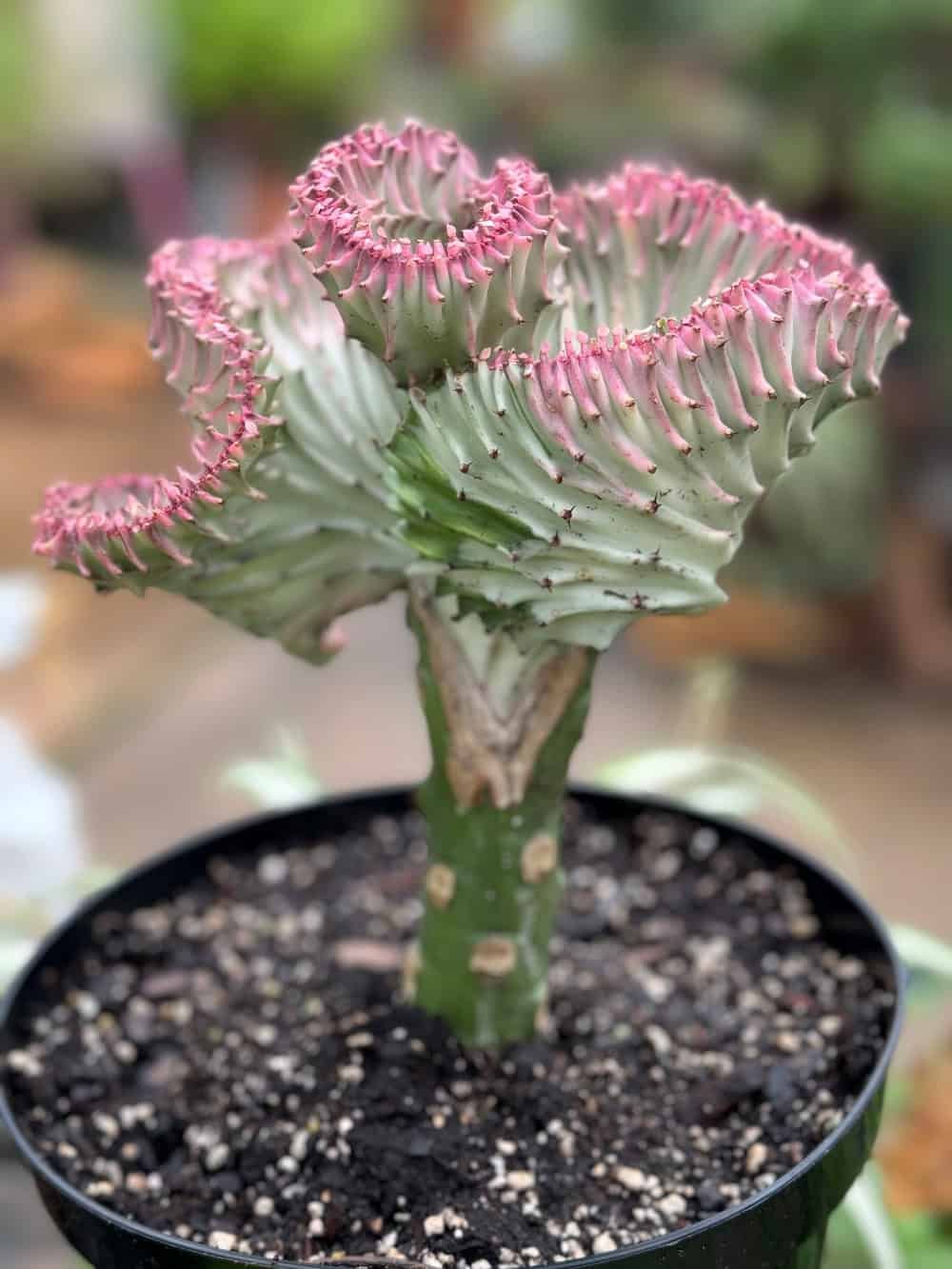
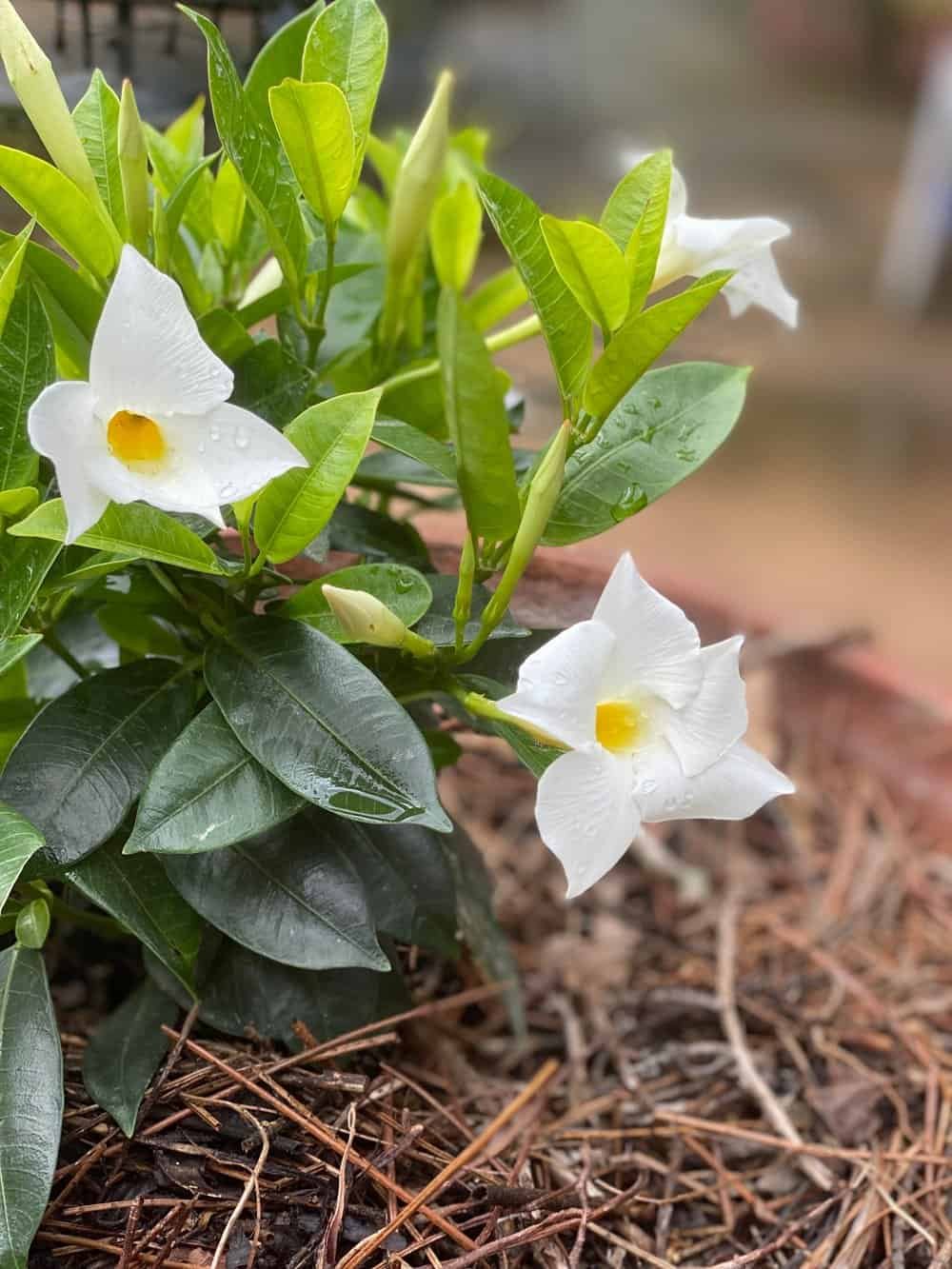
I wish I always had a camera in my hand (or my iPhone, which certainly suffices) when I walk the property and gardens, but alas, I don’t. When I do see something that catches my attention, and the conditions and lighting are just right, I’m sometimes lucky enough to capture that special image.
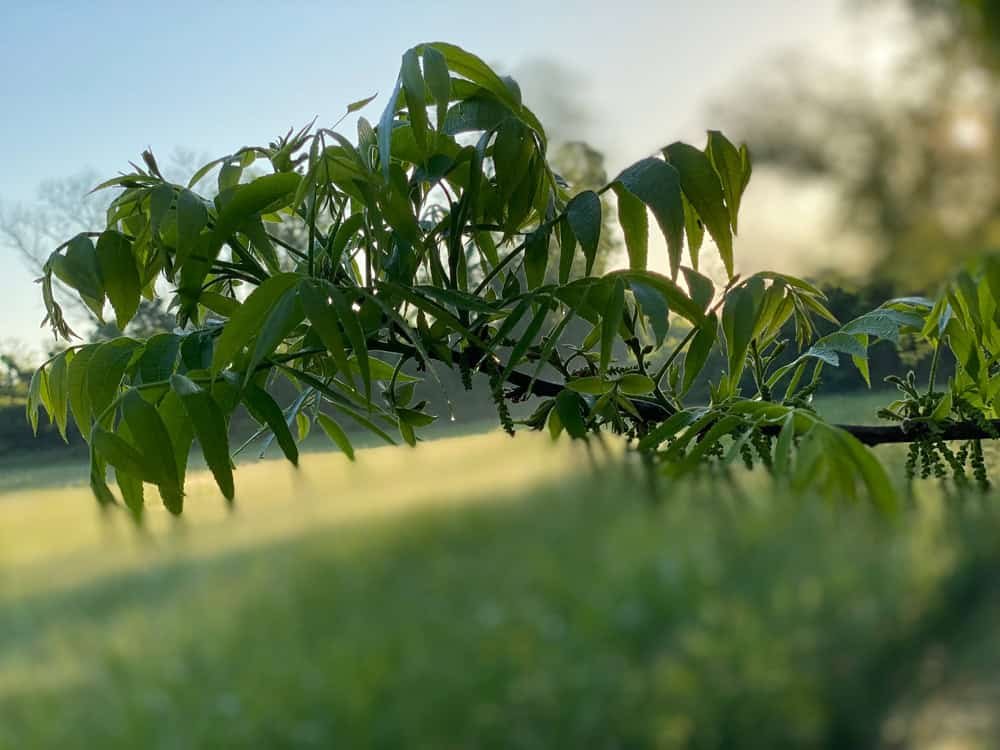

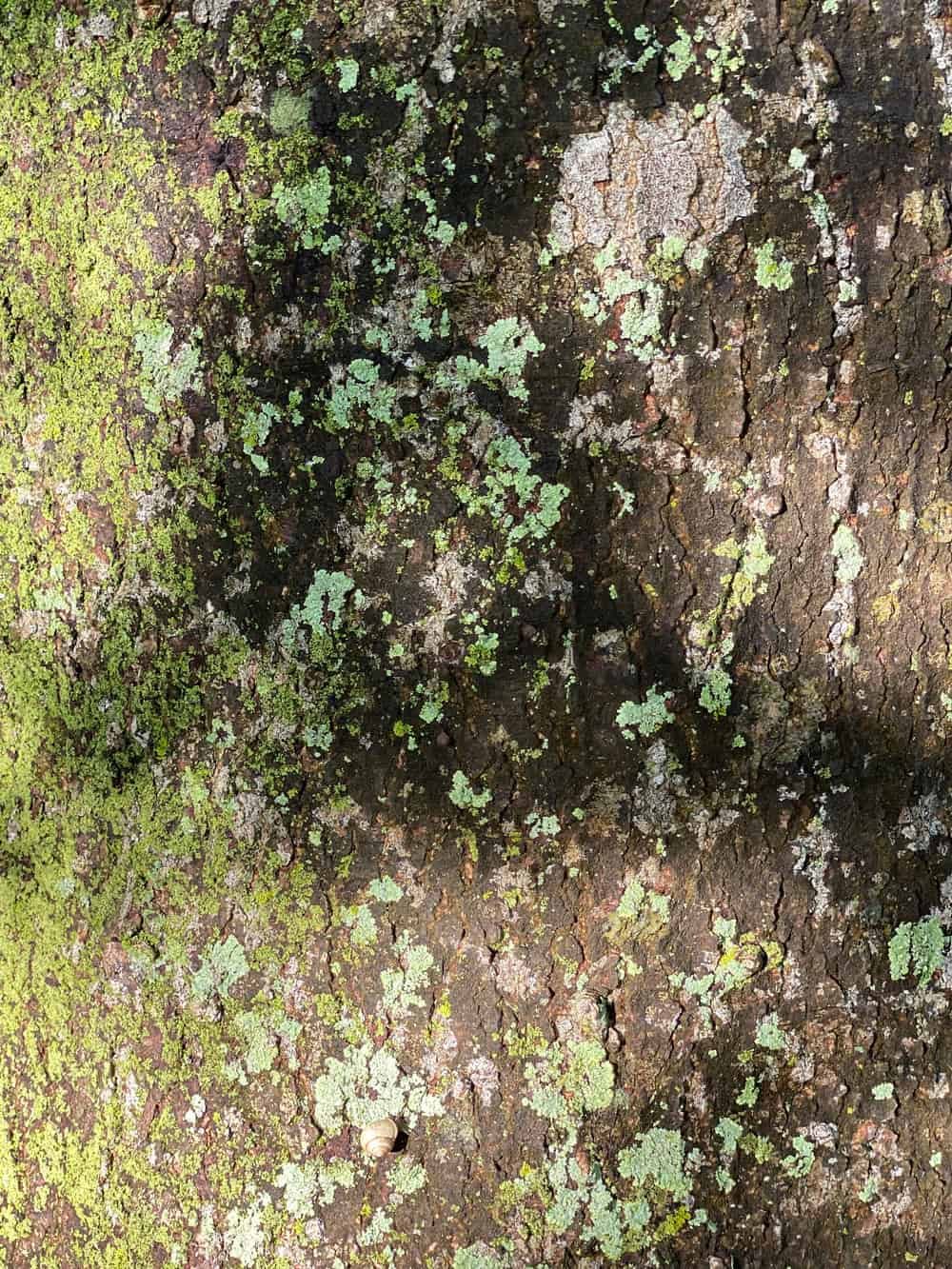

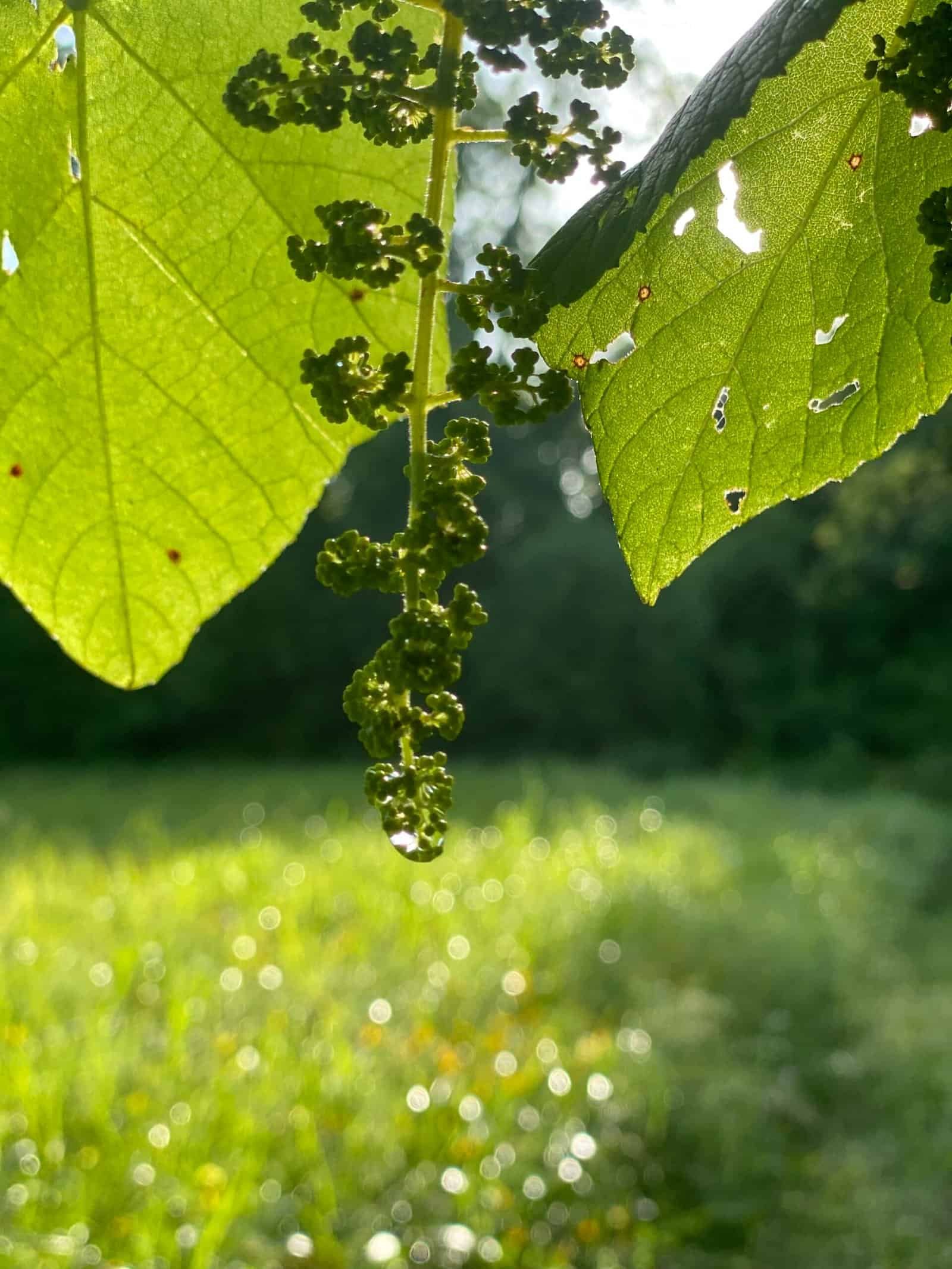

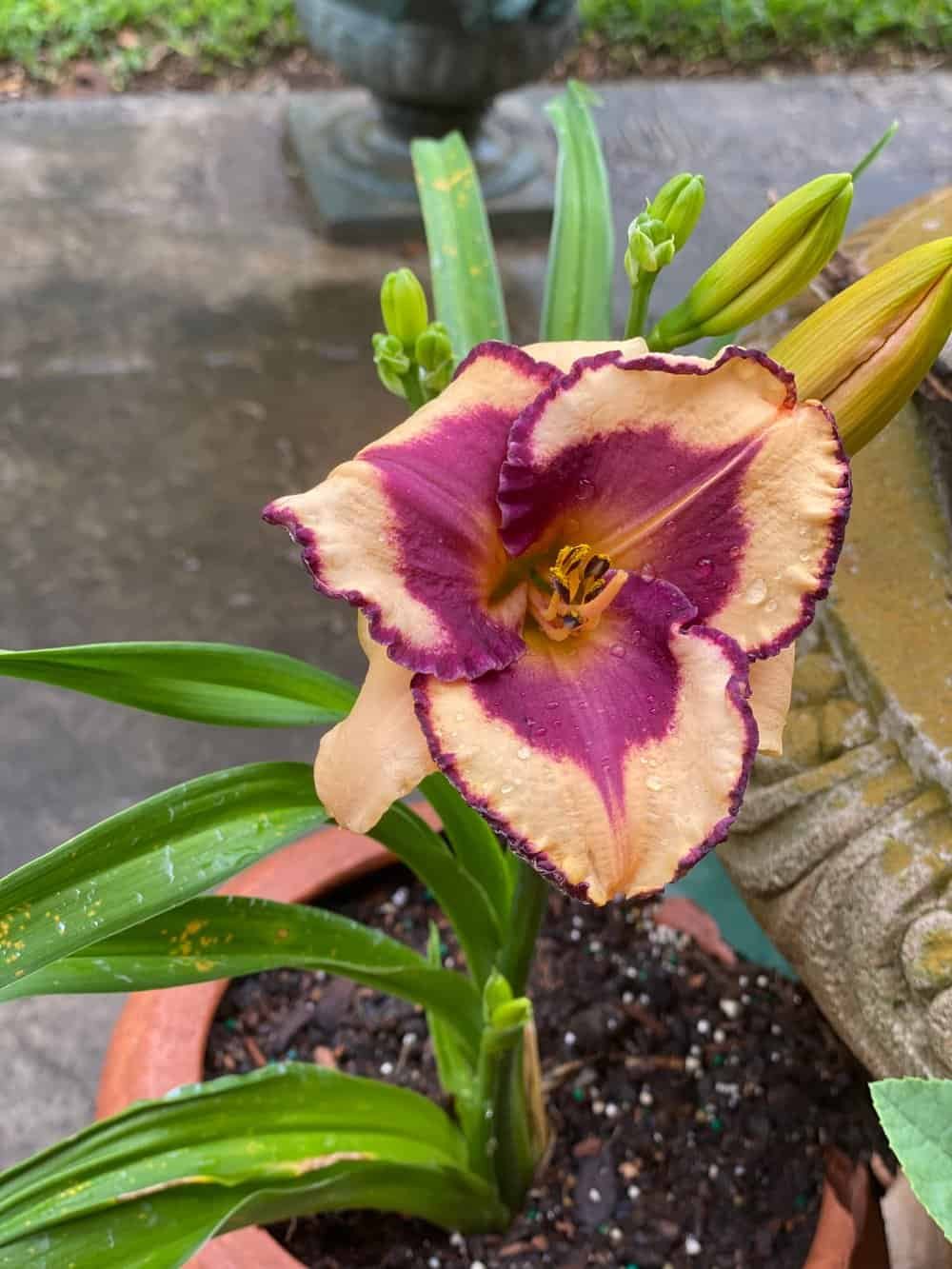
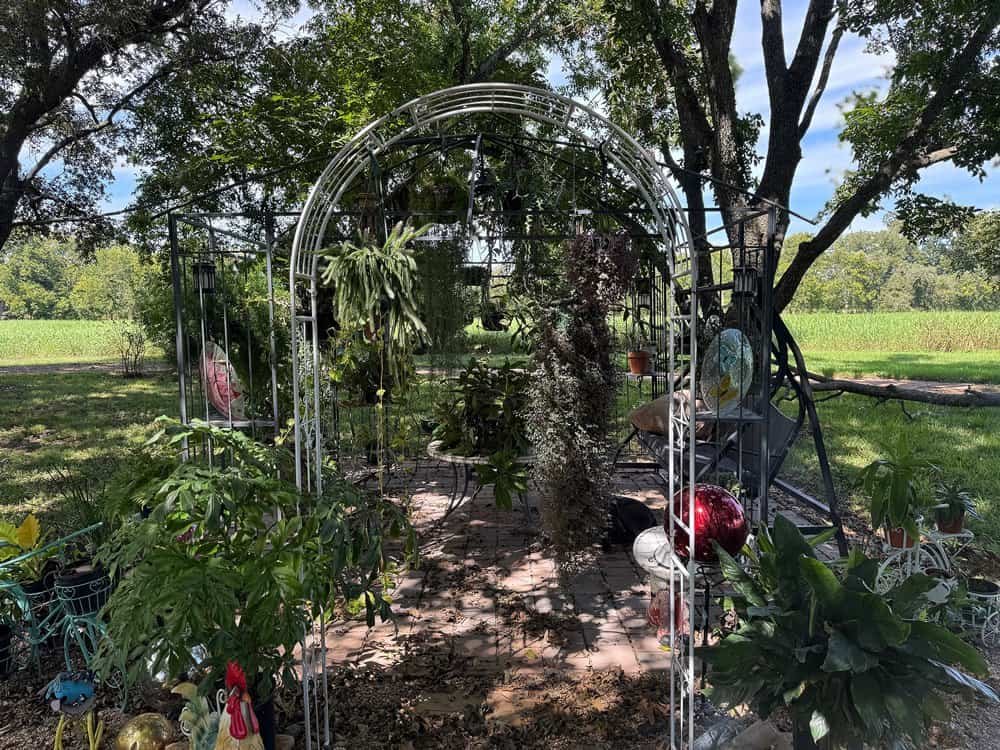
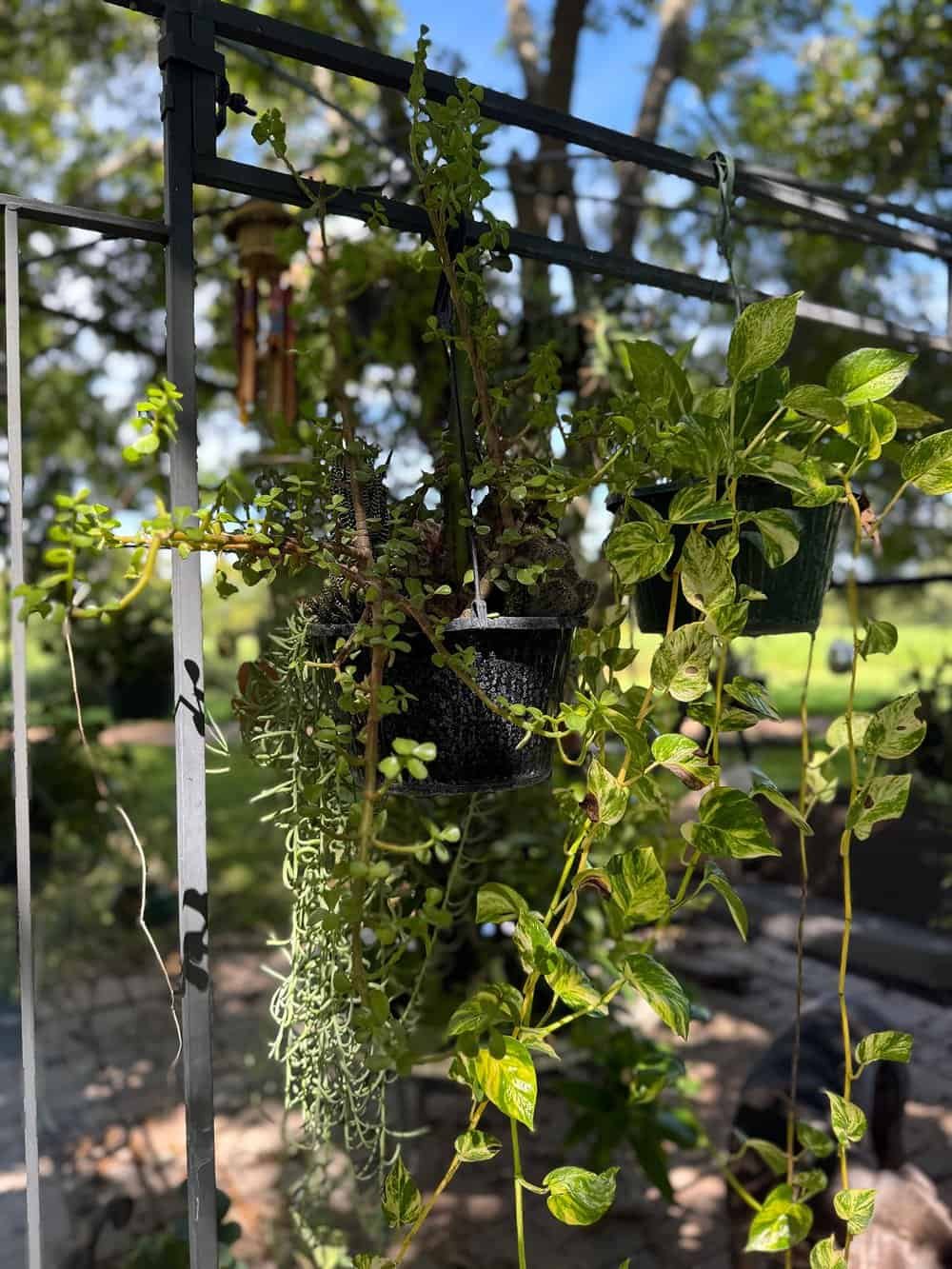
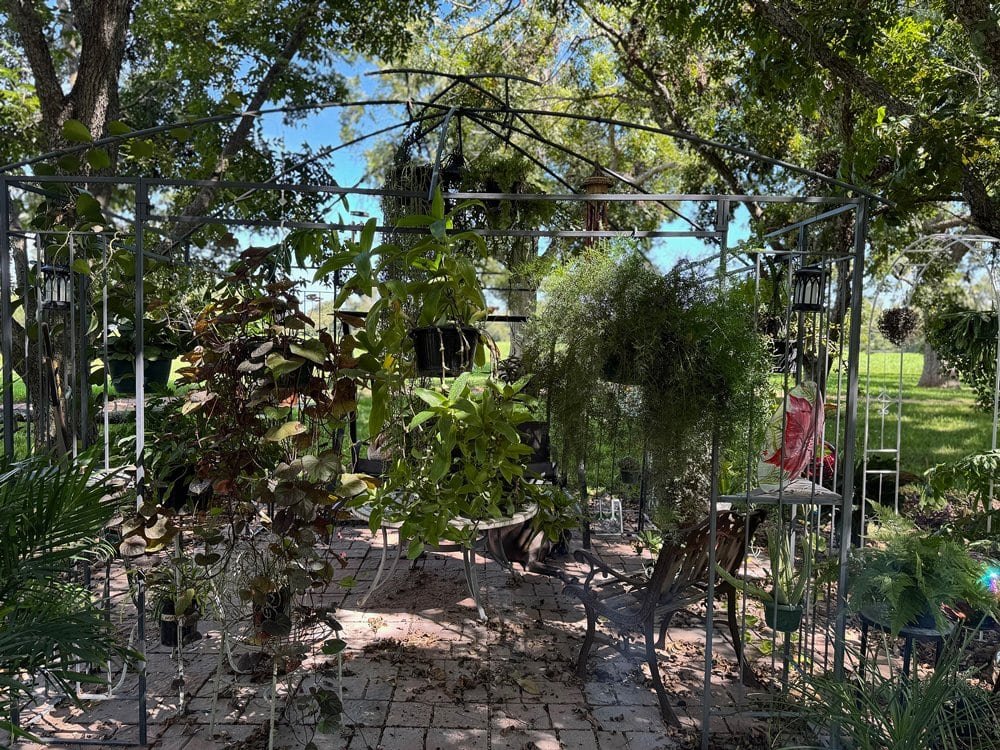
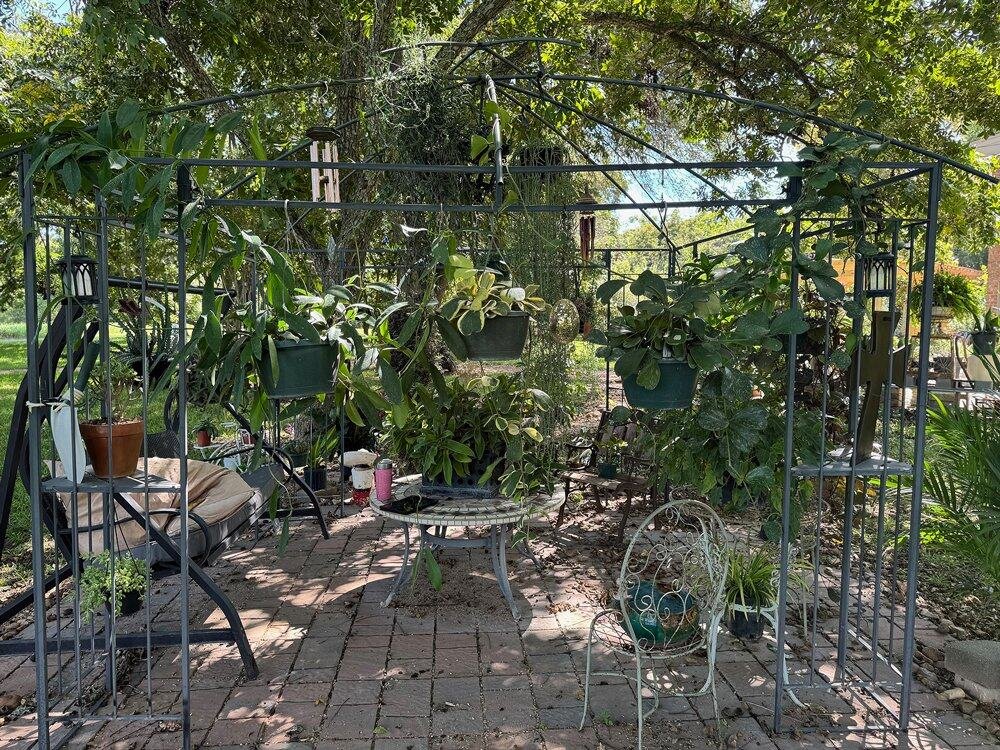
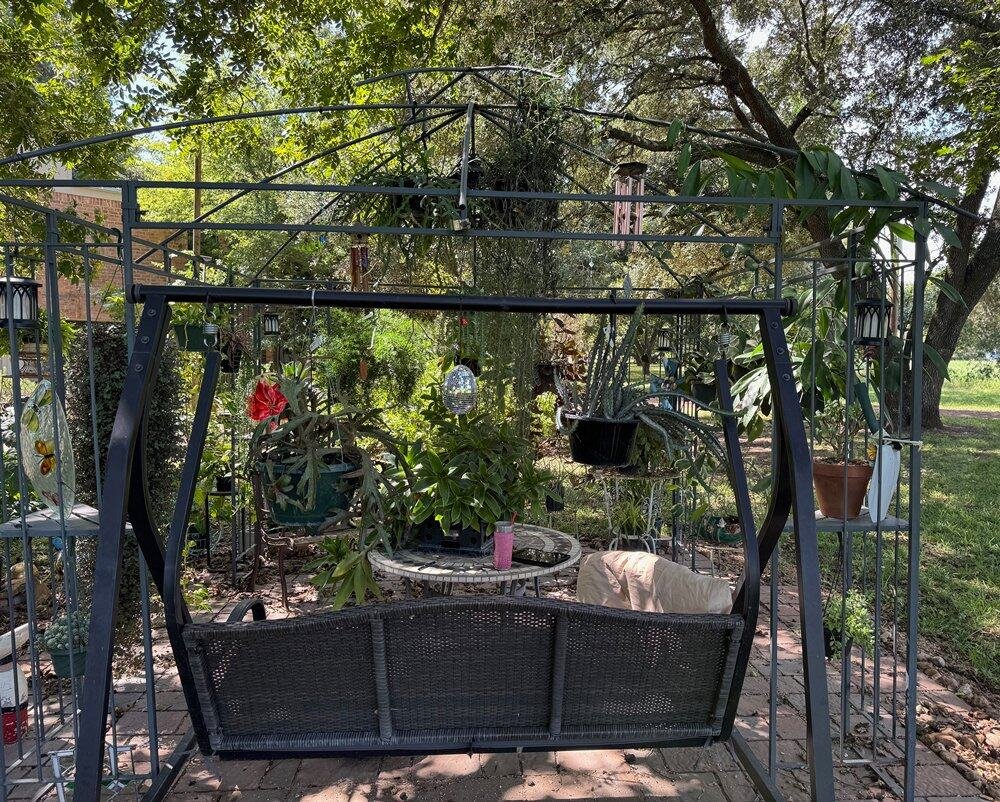
Elizabeth wanted a special place for a metal Gazebo and a swinging seat she bought at a local garage sale. We decided to add stone pavers, plants, chimes, and decorative objects to make it a space for special respite.

FLORIDA ADVERTISING JUGS
The Proprietors & Their Jugs
By David Kyle Rakes & Corey Lee Stock
Published by Peachridge Collections, LLC., Ferdinand Meyer V (Designer)
52 jugs from 53 jug proprietors! Biographical sketches with their jugs and advertisements. This is the first complete Florida jug book ever! Four-Color, Soft Bound, 8.5 x 11, 174 pages, Includes glossary and index. The book costs $50 plus $4 shipping & handling. Total $54. Send check or money order to: David Kyle Rakes, P.O. Box 2706 Belleview, FL 34421 . Note: The book is out of stock and will need to be printed again. Any questions: Cell phone: 352.817.5136, Email: Barakes123@gmail.com. Read PDF.

“Stoneware advertising jugs are not run-of-the-mill antique collectibles. However, their method of manufacture, utilitarian use, and the advertising of the proprietor’s name and location give them historical value and make them desirable.
“Around the middle of the 19th century, potters discovered a salt-glazing process that gave clay jugs, crocks, churns, bowls, and pitchers a glass-like finish that became known as stoneware. This stoneware pottery, named after its “stone-like qualities,” is hard and non-porous. By firing the clay objects in a kiln at temperatures of 2,000 to 2,400 degrees, hotter than lava from a volcano, and then “throwing buckets of mined raw salt at just the right moment” into the mix, the outside of the pottery vitrified or turned to glass.
“Stoneware replaced much of the red clay or earthenware that came before. It was brittle, porous, and ineffective for storing liquids and prepared foods. While earthenware was mostly used in food preparation and consumption, the primary function of stoneware was storage. Florida stoneware jugs made from 1880 to pre-prohibition in 1920 are the subjects of this book. The early jugs are primarily ovoid in shape and made by turning on a wheel. Making a clay jug turned or spun on a wheel involves one piece of clay manipulated precisely with two hands. The latter jugs are called stackers because they are stacked in the kiln. The jugs have a small ledge around them that permits the bottom of a jug to rest between the ledges of two other jugs, thus filling the kiln with more jugs.
“These jugs were made in two pieces, the bottom and top, made separately by pushing the correct thickness of clay into a mold and then joining the two pieces together. The jugs were made with a cylinder bottom to accommodate the correct gallons and with a dome or cone top and handle. The cone or dome tops were sometimes painted with a ceramic slip to make them darker than the bottom portion. Stoneware jugs were also slip-stenciled to mark the name and city of the proprietor or slip-brushed to add decoration. At least one Florida jug used cobalt oxide to make a blue floral design. Other Florida jugs were scratched (sometimes called incised) or stamped when the clay was soft to provide advertising.
“A few embossed Florida advertising jugs were made at a glass factory and are part of this work. However, glass vessels made for spring water and mini whiskey jugs that were mostly promotional samples were omitted from this compilation. Moreover, if the container was not of the general jug shape, it was not included. 53 jug proprietors are listed in this work. Including the various markings and sizes, the jugs would number over one hundred. The jugs mostly held whiskey at one time, but a few contained quinine, wine, spring water, distilled water, extract, syrup, and maybe even orange juice.
“Each jug proprietor has been researched and given a biographical sketch, many for the first time. These sketches were made from online newspapers, family records, and genealogy sites. Numerous collectors provided jug pictures that are shown with the proprietor’s sketch. An astounding 49 of the 53 Florida jugs found and included here have pictures! References are given to those who would like to find additional details or to know where my information came from.
“I discovered some interesting and industrious people by researching pre-pro Florida advertising jugs. Some of these jug proprietors were immigrants: fourteen were from Germany, two were from Italy, two from England, and one each from Canada, Poland and France. The home-grown jug proprietors were mainly from Florida and Georgia, with a few from New England, North Carolina and Kentucky. Many of them had a liquor house and a saloon; a few had hotels and restaurants, as well as grocery stores and billiard parlors. I was surprised at how common businessmen could live for years in hotels back then instead of in a home. I also found it interesting that whiskey dealers generally sold cigars, and today they are still sold at many liquor stores in the South.
“Some of these liquor dealers with jugs were brothers and passed down the business to their children and grandchildren. Some offered artwork for free or free maps of the United States with whiskey orders. One proprietor sold a suitcase of 12 full quarts of whiskey so the customer could receive whiskey secretly. Others branched out into the orange growing business, motion picture business, selling earthenware, or promoting heavyweight fights. One founded the first telephone company in Jacksonville, while another laid out and founded the town of Bayport. Still, another built steamboats and put copper roofs on freight and passenger trains. At least six were veterans of the Civil War, and three were legislators. Many more interesting details from life to death are given in the biographical sketches of these jug proprietors. A look back in time at these jugs and the men who had them made will lend to more discoveries of our notable past. I know Florida advertising jugs have made my life a “full gallon” worth of fun.” – David Kyle Rakes


EARLY SODAS OF THE CAROLINAS
The Bottles & Proprietors
Charleston, Columbia, Georgetown, Hilton Head Island, South Carolina
Statesville. Weldon, Wilmington, Wilson, Winston, North Carolina
By David Kyle Rakes (Author) & Ferdinand Meyer V (Designer). Published by Peachridge Collections, LLC.
Foreword by Jamie Westendorff
“The Charleston I grew up in was a prime place to dig for bottles. From 1835 to 1860, Charleston was one of the wealthiest cities in the United States and a perfect place for soda water vendors, but the Great Fire, the Civil War, Reconstruction, and the much later exodus to the suburbs stole a lot of that glory. However, it made it easier to find bottles because of vacant homes, demolition, and easily obtained permission.
“As a teenager, I grew up in the city and was lucky enough to walk out of my bedroom into my backyard and dig an 1830s privy that yielded a Charter Oak Historical flask and an eight-sided green Smith and Co. soda. Needless to say, I was hooked for the balance of my life. Meeting and befriending other diggers and learning more were the next steps and some of my best decisions. Friendships have been lifelong, and the hobby is still consuming.
“Early on, Leon Robinson was my digging partner, and he and the Holcombes had written the only publication on Charleston sodas. At the time, most diggers did not know the rarer of the two. Cosgrove or Fields. The publications seemed to tell the story of sodas in Charleston but nothing to the depth of David’s book. I have always picked up tidbits of educational material on the soda industry in Charleston and always thought I would publish something, but it takes a skilled writer, a lot more research than I have, and a team to assemble the book images. I am pleased with this new book; it answers many questions about why some went into business, their years in business, and the bottles they produced that we now collect in our great hobby.
“As a college boy, I remember doodling soda sketches on the left-hand column of my notes. When I thought I drank too much, I would say the names Dawson and Blackman, Steinke and Kornahrens, and Christian Schlepegrell as a sobriety test; now, at my older age, I say them as a senility test.
“After college and marriage, I continued to work for my father as he did. I was a plumber and later started a catering company. I plumbed all the restaurants in downtown Charleston, so you might say I worked under all the great chefs in town. Both vocations were keys to the backyards and more digging and collecting.
“Baltimore and Savannah have beautiful sodas, but, in my opinion, Charleston has the more varied shapes with round, eight-sided, ten-sided mug bases and even a ten-pin. David’s book even demonstrates my opinion. Charleston sodas are prizes in collections all over the country, and rightly so. I am so excited about this new book and can only say if you are ever in Charleston, come look me up. After a few drinks and some fried shrimp, I might even have you saying Dawson and Blackman, Steinke, Kornahrens and Christian Schleppegrell.

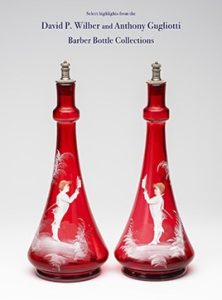
Select highlights from the David P. Wilber and Anthony Gugliotti Barber Bottle Collections
Published by Peachridge Collections, LLC. for the Federation of Historical Bottle Collectors
“The items assembled in this book include the Dave Wilber collection, the Anthony Gugliotti collection, and others purchased separately by the collection’s owner. The Wilber collection is massive, with over 1,000 pieces, and contains some excellent pieces sold at auction 15 to 30 years ago. The Gugliotti collection includes hundreds of items and many rare shaving paper vases. Many pieces from this vast group of bottles, shaving paper vases, and other related glass pieces are included in the book. While many are rare, there are also some excellent examples that the average collector can expect to acquire. Many plates in the book are paired, showing a bottle with a matching shaving paper vase or bowl. In other cases, a range of colors and shapes of a given bottle are depicted. Quite a few items included in this book were pictured in barber supply catalogs from as early as 1882 to as late as 1915. Others can be found in photographs of barber shops from that same time period. Although there is no conclusive proof, other bottles that have always been considered barber bottles have been included. Still, others have been included if it was thought that they were barber bottles or could have been used for that purpose. We hope this book inspires people to collect these beautiful, hand-crafted, hand-painted glass objects from a bygone era. Others may simply enjoy seeing the beautiful forms, colors, and decorations.“
The David P. Wilber and Anthony Gugliotti Barber Bottle Collections exhibition took place in August 2024 at the Houston Museum of Natural Science (in the Hamill Gallery). It was part of the Houston 2024 Exposition, which included the FOHBC 2024 Houston National Antique Bottle & Glass Convention.
With 238 specimen explorations in full color, the oversized book is 300+ pages, full-color, hard-bound with dust jacket, and of museum quality. Contact Ferdinand Meyer V (fmeyer@fmgdesign.com) or Michael Seeliger (mwseeliger@gmail.com) if you would like to purchase a copy. United States $95, Canada $130, United Kingdom £75. Special discount for FOHBC members, clubs and related historical institutions.
Click for information regarding the American Antique Glass Masterpieces exhibition and book.


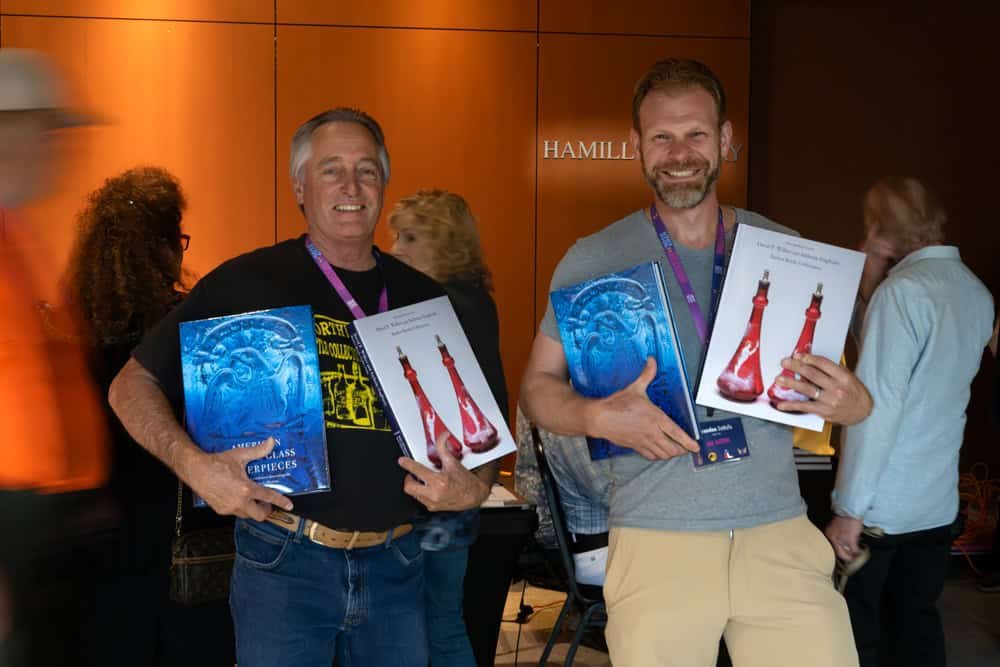
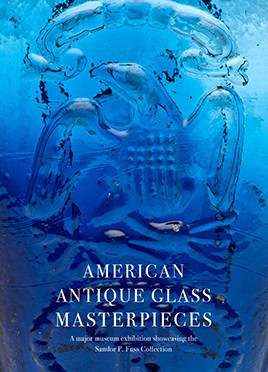
AMERICAN ANTIQUE GLASS MASTERPIECES
A major museum exhibition showcasing the Sandor P. Fuss Collection
Published by Peachridge Collections, LLC. for the Federation of Historical Bottle Collectors
“The Sandor P. Fuss Collection includes the finest group of figural bitters ever assembled with jaw-dropping highlights like the blue Old Homestead, the topaz pineapple, the amethyst Jerome’s and the blue fish, just to name a few. Sandor’s wonderful flasks include a blue Columbia, several striated Masonics and spectacular examples of the “three kings” from the Jared Spencer group. Of particular note among the many fabulous pattern-molded objects is the Zanesville, Ohio, pattern-molded sugar bowl resting on a matching underplate. Highlights of the blown tableware group are the pair of Redford candlesticks, the blue Lancaster, New York lily pad pitcher, and the iconic Matt Johnson lily pad with ruby red threading. Important objects blown and pressed in Sandwich, Massachusetts, are also included in the collection, as well as notable examples of colognes, inks, and whiskeys.
The depth and breadth of the Fuss Collection place it among the greatest groupings of Early American Glass ever assembled. Many of the objects are unique and of those with multiple examples known, Sandor has chosen the finest available. The Fuss Collection is a monumental achievement made possible by his great eye, unwavering focus, and determination. It is a joy to share this fabulous glass with the World!” [Jeff Noordsy]
The American Antique Glass Masterpieces exhibition took place in August 2024 at the Houston Museum of Natural Science (in the Brown Gallery). It was part of the Houston 2024 Exposition, which included the FOHBC 2024 Houston National Antique Bottle & Glass Convention.
With 143 specimen explorations in full color, the oversized book is 300+ pages, full-color, hard-bound with dust jacket, and of museum quality. Contact Ferdinand Meyer V (fmeyer@fmgdesign.com) or Michael Seeliger (mwseeliger@gmail.com) if you would like to purchase a copy. United States $95, Canada $130, United Kingdom £75. Special discount for FOHBC members, clubs and related historical institutions.
Click for information regarding the David P. Wilber and Anthony Gugliotti Barber Bottle Collections exhibition and book.


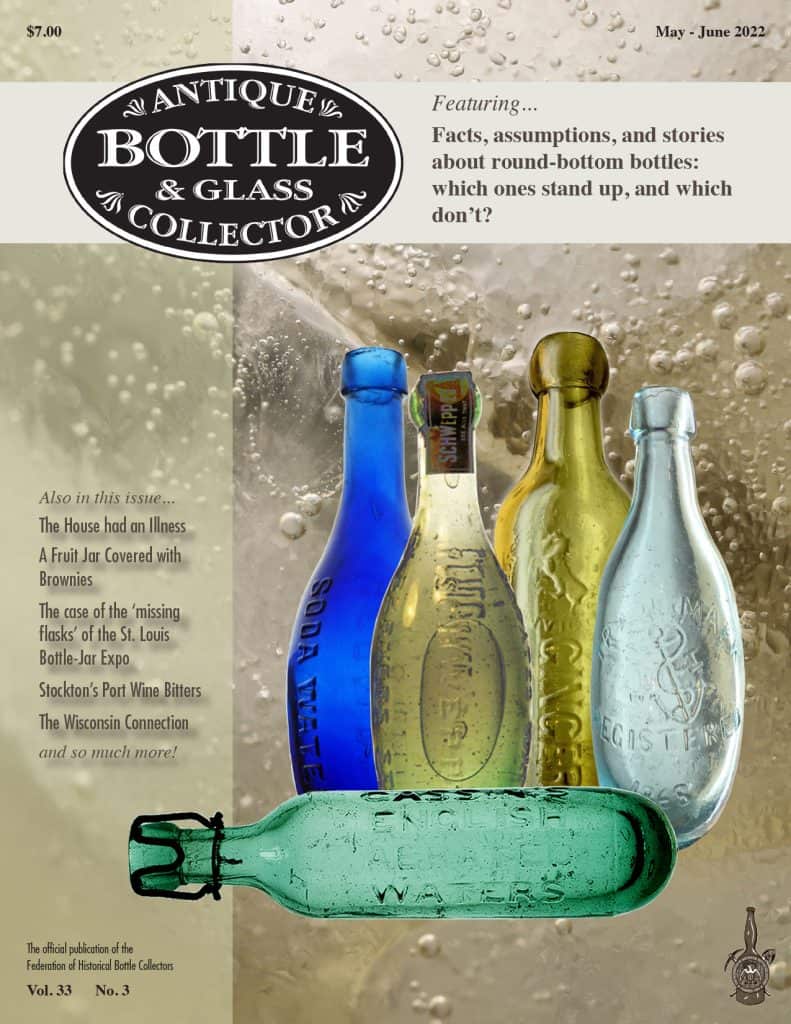
Facts, Assumptions, and stories about round-bottom bottles: which ones stand up, which ones don’t?
Most of my “antique bottle and glass time” these days is devoted to FOHBC activities, including the Virtual Museum and the Antique Bottle & Glass Collector” magazine. Even though I have had an extended break from posting here, PRG is still a popular site, with many readers and researchers quoting PRG articles and including links to them.
Ken Previtali’s (The Ginger Ale man) most recent article, Facts, assumptions and stories about round bottom bottles: which ones stand up and which don’t? was first published in the May–June 2022 issue of FOHBC’s magazine. This article needs to join his other work here on PRG and will also be added to The Ginger Ale Page. Ken Previtali’s articles for the FOHBC magazine have always appeared there for historical documentation.
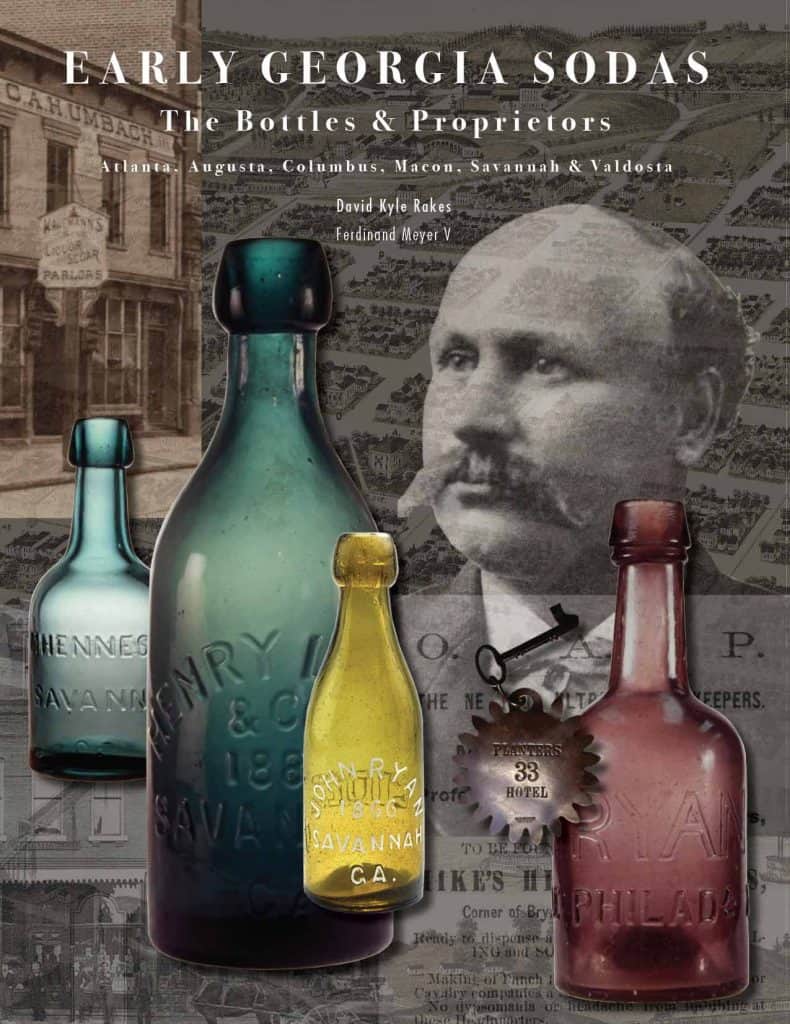
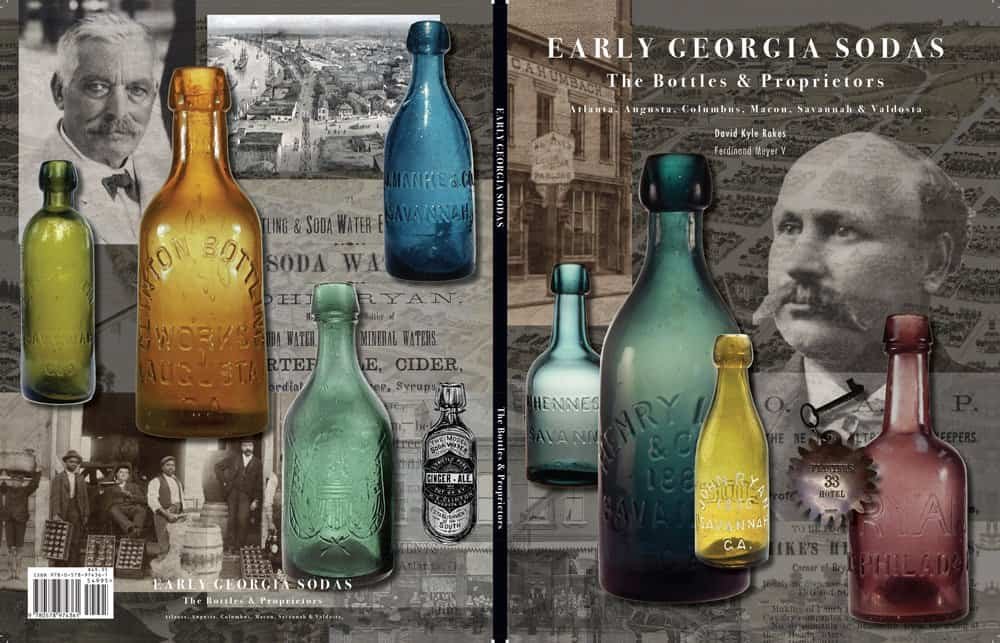
EARLY GEORGIA SODAS
The Bottles & Proprietors
Atlanta, Augusta, Columbus, Macon, Savannah & Valdosta
By David Kyle Rakes & Ferdinand Meyer V. Published by Peachridge Collections, LLC.
“If there were such a degree as a doctorate in research, David Kyle Rakes would hold it. And, if such a degree in design existed, Ferdinand Meyer V would own it. The degrees may be mystical, but that pair has become a team, and from that teamwork has evolved absolutely one of the best books, sure to be treasured by collectors of Georgia’s 19th-century soda bottles.
“Early Georgia Sodas – the Bottles and Proprietors – Atlanta, Augusta, Columbus, Macon, Savannah, and Valdosta,” will become every collector’s “go-to” source of up-to-date historical information on John Ryan, Edward Sheehan, and many other bottlers of the soft drinks called sodas.
“Rakes, a resident of Belleview in Central Florida, is a master researcher who has traced the history of each bottler from birth to marriage to death. Those backgrounds generally have not been readily known to collectors. Meyer and his wife, Elizabeth, live in Houston, Texas.”
[Overview by Bill Baab]
Complementing the book’s text are enlarged color photos of each soda bottle, many taken by Mike Newman, of Martinez, Georgia, who has become an expert in the proper use of digital cameras. Mike is also a longtime collector of antique bottles. The book was published in October 2021 and is currently out of print.
See a PDF of the book here, compliments of the author and publisher.